As a specialist in aesthetic and reconstructive dentistry, I have witnessed countless transformations over my career. One of the most frequently asked questions I receive from my patients here in Beverly Hills is about the longevity and durability of porcelain veneers. People want to know if this procedure is truly a worthwhile investment that will stand the test of time.
My answer is always a confident, resounding yes.
Choosing to enhance your smile with porcelain veneers is not merely a short-term cosmetic fix; it is a commitment to a lasting, beautiful future. When we approach your smile transformation, we don’t think in terms of months or even a few years, but rather in decades. The reason we can make this promise of superior durability and longevity is rooted in four critical factors: the remarkable strength of the material itself, the meticulous customization process, the inherent resistance to daily wear, and the advanced bonding technology we employ.
I want to walk you through the science and artistry behind this procedure so you can understand exactly why porcelain veneers represent one of the best long-term investments you can make in your personal confidence and oral health.
1. The Material Science of True Porcelain: Engineered for Strength
The biggest misconception I hear is that porcelain is fragile, like a delicate teacup. While that may be true for dinnerware, the advanced dental ceramics we use today are engineered materials built for incredible resilience under the daily stresses of chewing and biting. This is not the porcelain of the past; it is a specialized, modern formulation.
The key material often used today is lithium disilicate—a high-strength, glass-ceramic material that is known for its remarkable balance of strength and natural beauty.
Here is the scientific fact: Porcelain veneers are primarily crafted from advanced dental ceramics, which are layered and fired in a high-heat furnace (a process called sintering) to create a crystalline structure. This meticulous firing process achieves a density and hardness that rival or even exceed those of natural tooth enamel, making the veneer shells exceptionally resistant to chipping and fracture.
The difference in material composition translates directly into real-world endurance. For instance, data comparing modern materials shows that high-grade lithium disilicate ceramics can exhibit a flexural strength up to three times greater than older, traditional feldspathic porcelains. This means the veneers we place today are designed to withstand the immense forces inside your mouth far better than previous generations of dental restorations.
When you invest in a smile transformation with us, you are investing in this advanced material science. We rely on this material strength to ensure that when you laugh, speak, and eat, your smile remains intact and stunning for years to come.
2. Precision Engineering and Custom Fit
Durability does not solely rely on the material; it relies heavily on the quality of the fit. Even the strongest material will fail if it is improperly fitted. This is where the artistry and advanced technology of a highly skilled dental practice become invaluable.
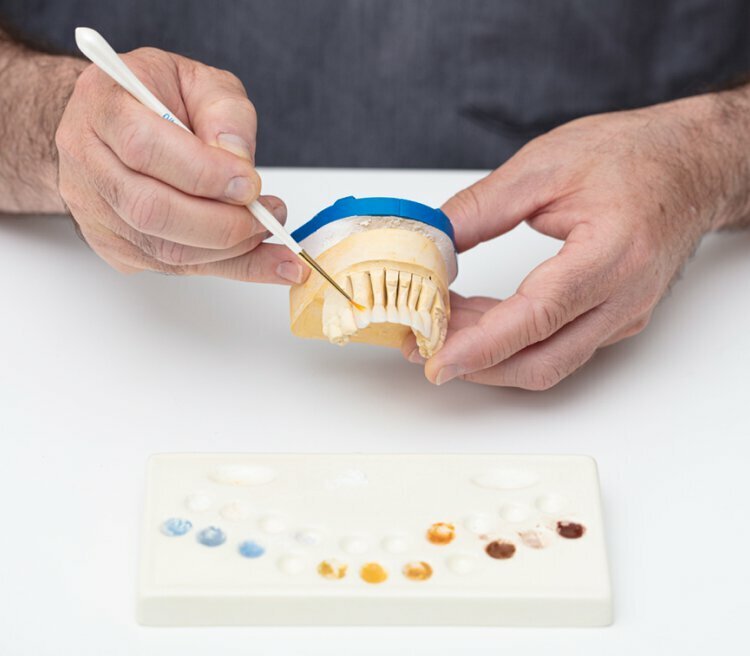
We utilize state-of-the-art diagnostic and fabrication methods—often involving digital scanning and computer-aided design (CAD/CAM) technology—to ensure that every veneer shell is an absolutely precise match to your prepared tooth surface.
Think of a veneer as a thin, custom glove for your tooth. When a glove fits perfectly, it moves in sync with the hand. When a veneer is custom-fabricated down to the microscopic level, it distributes biting forces evenly across the restoration, eliminating stress points that could otherwise lead to cracks or fractures. A perfect fit maximizes the surface area for bonding, which is the secret weapon to their long life.
When a veneer is crafted with such high precision, it also minimizes the tiny gaps or edges where bacteria and plaque might accumulate. Maintaining excellent gum health is crucial for the longevity of any dental work. A flawless margin—the edge where the veneer meets the natural tooth—means easier cleaning and protection for the underlying tooth structure. This level of preventive care, ensured by meticulous preparation and a proper fit, is central to the lasting success of your smile.
I always advise my patients to understand the importance of routine care, even with durable restorations. The American Dental Association emphasizes the importance of consistent brushing and flossing to maintain oral health, a practice that directly supports the longevity of your expertly placed veneers. To learn more about proper oral hygiene with veneers, visit resources such as the ADA’s Oral Health Information.
3. Inherent Resistance to Staining and Discoloration
One of the most appealing features that contributes to the longevity of porcelain veneers is their remarkable resistance to staining. Natural teeth are covered in enamel, a porous substance that, over time, can absorb pigments from coffee, red wine, tea, and other darkly colored foods and drinks. This is why natural teeth often darken or discolor even with diligent brushing.
Porcelain, by contrast, is a dense, glass-like ceramic. The surface is exceptionally smooth and non-porous. Once your veneers are polished and glazed in the lab, they are essentially sealed. Unlike composite resin (a cheaper, less durable veneer alternative), which is a plastic-based material that will absorb stains over time, high-grade porcelain does not change color.
This stain resistance means that the initial shade we meticulously choose for your smile—which we customize to look perfectly natural—will be maintained year after year. For our patients, this means that their investment continues to pay dividends without the need for periodic whitening treatments or concerns about their smile fading. The beauty you see on the day they are placed is the beauty you can expect to enjoy for the remainder of their lifetime.
4. The Strength of the Bond: A Permanent Anchor
The final, and perhaps most critical, factor in the superior durability of porcelain veneers is the advanced bonding process that anchors them to the tooth. A porcelain veneer is thin and relatively delicate on its own, but once it is permanently bonded to the prepared tooth using high-strength dental resin cement, the two materials fuse to create a restoration that is stronger than the tooth enamel alone.
The process of chemically etching the porcelain surface, preparing the enamel with the utmost precision, and utilizing modern bonding agents creates a powerful mechanical and chemical lock. This procedure requires an expert touch and specialized training to ensure that the bond is maximized and free of air pockets or contaminants.
When done correctly, this creates a monolithic structure, meaning the porcelain, the bonding agent, and the natural tooth essentially become one unit. This bond is what allows the thin porcelain shell to withstand the heavy forces of biting and grinding without fracturing or debonding (coming off). It is this fusion that allows us to offer such an incredible promise of permanence and strength.
Suppose you are considering a complete smile transformation and want to understand the specifics of how this custom bonding process works for your unique case. In that case, I’d like you to contact our team or explore more information on our home page: Dr. Rodney Raanan.
The Long-Term Investment in Your Smile
When patients evaluate the cost of porcelain veneers, I ask them to shift their focus from the initial expenditure to the long-term value. This is a true investment, built on material science and expert application, designed for minimal replacement and maintenance.
Durability Comparison: Veneer Materials vs. Expected Lifespan
As illustrated in the comparison chart above, the long-term survival rates clearly distinguish porcelain from alternatives. When examining the clinical evidence, the statistics are highly encouraging. For example, comprehensive studies have reported an astounding 91% survival rate for porcelain veneers after 20 years of use. This data point highlights the reality that, with proper placement and care, your new smile is designed to last for decades.
This impressive longevity is a direct result of the continuous advances in dental ceramics and bonding techniques. Researchers and clinicians consistently demonstrate that porcelain veneers, when bonded correctly, are one of the most reliable and conservative aesthetic treatments available today. We continually study the latest techniques and materials, ensuring that our patients benefit from cutting-edge technology and proven clinical success. You can find more details on advancements in ceramic materials and their applications in clinical dentistry in articles, such as those available on the National Institutes of Health website.
Conclusion: Confidence That Lasts
My goal as a cosmetic and reconstructive dentist is to provide not just a beautiful smile, but a durable one. Porcelain veneers are the gold standard because they bring together the highest levels of material science, precision artistry, and advanced bonding technology. They are:
- Stronger than ever before due to high-grade ceramics like lithium disilicate.
- Longer-lasting because of the perfect, custom fit that eliminates stress points.
- More aesthetic for the long term because they resist staining from virtually all foods and drinks.
- Securely anchored using powerful dental cements that fuse the veneer and the tooth into one robust unit.
When you sit in my chair, know that the veneers we are creating for you are an investment in superior durability and a lifetime of confidence. We don’t just restore smiles; we build them to last.