When you look in the mirror, what is the first thing you notice? for most of my patients, it is their smile. A bright, symmetrical smile can change your entire outlook on life. It boosts your confidence in job interviews, social gatherings, and even in photos. However, not everyone is born with perfect teeth. Chips, gaps, discoloration, and misalignment are very common issues that I see every day in my Beverly Hills practice.
For years, the standard solution for a complete smile makeover was traditional porcelain veneers. They are effective, beautiful, and durable. But recently, dental technology has taken a massive leap forward. Now, we have a more conservative, less invasive option: NuVeneers. If you have been researching cosmetic dentistry, you might be feeling a bit overwhelmed by the choices. That is why I want to break down the differences between NuVeneers vs Traditional Veneers to help you decide which path is right for your smile transformation.
What Are Dental Veneers Exactly?
Before we dive into the specific differences, let’s make sure we are on the same page about what a veneer actually is. Imagine a contact lens, but instead of going over your eye, it goes over the front surface of your tooth. A veneer is a very thin shell made of medical-grade porcelain. It is custom-made to fit your individual tooth shape and color.
I use veneers to correct a wide variety of dental imperfections. If you have teeth that are stained and won’t respond to whitening, veneers can permanently brighten them. If you have a gap between your front teeth, veneers can close it. They are truly one of the most versatile tools I have as a cosmetic dentist. The goal is always to create a result that looks natural—like you were born with a perfect set of teeth.
The Old Standard: Traditional Porcelain Veneers
Traditional veneers have been the gold standard in cosmetic dentistry for decades. They are incredibly strong and look very realistic. However, the process of getting them is what makes some patients hesitate. To place a traditional veneer, I usually have to remove a significant amount of your natural tooth enamel.
Why do we remove enamel? It comes down to thickness. Traditional veneers are about 0.5 millimeters to 0.7 millimeters thick. If I were to place that directly on top of your untreated tooth, it would look bulky. Your teeth would feel unnatural, and your bite might feel “off.” To prevent this “chiclet” look, we shave down the tooth so the veneer sits flush with your gum line.
The Traditional Process
The journey with traditional veneers typically involves numbing shots and drilling. Once the enamel is removed, that tooth will always need a veneer or a crown; the process is irreversible. While the results are stunning, the preparation phase is invasive. Sensitivity after the procedure is common because we are getting closer to the nerve of the tooth.
The Modern Evolution: What Are NuVeneers?
Now, let me introduce you to the advancement that I am truly passionate about: NuVeneers. In my practice, I always prioritize preserving as much of your natural tooth structure as possible. This is known as biomimetic or conservative dentistry. NuVeneers are ultra-thin layers of porcelain, often as thin as a contact lens (around 0.2 millimeters or even less).
Because they are so incredibly thin, the preparation required is minimal to none. In many cases, I do not have to drill or shave down your sensitive tooth enamel at all. We simply clean the tooth, take an impression, and bond the NuVeneer directly to the surface. This is a game-changer for patients who are afraid of the dentist or worried about permanently altering their natural teeth.
NuVeneers vs Traditional Veneers: The Major Differences
When you are weighing NuVeneers vs Traditional Veneers, it helps to look at specific categories. Here is how I compare them when I am consulting with a patient in my chair.
1. Preservation of Tooth Structure
This is the biggest difference. With NuVeneers, I can often leave your natural tooth 100% intact. We are adding to the tooth rather than taking away from it. With traditional veneers, we must remove healthy enamel. Once that enamel is gone, it never grows back. By choosing NuVeneers, you are choosing a healthier long-term foundation for your oral health.
2. The “Pain” Factor
Because traditional veneers require enamel removal, local anesthesia (shots) is almost always required. The drilling can cause vibration and pressure that some patients find uncomfortable. With NuVeneers, the process is virtually painless. Most of my patients do not require any anesthesia at all. You can sit back, relax, and leave with a new smile without a numb lip.
3. Reversibility
This is a question I get asked a lot: “Doctor, what if I want to take them off?” With traditional veneers, you are committed for life. Because the tooth underneath has been shaved down, it must always be covered. NuVeneers, however, are often reversible. Since your natural tooth underneath is largely untouched, it is possible (though rare) to return to your natural smile if you ever chose to.
Looking at the Data
I believe in making decisions based on facts and long-term success. Let’s look at two important data points regarding veneer treatments.
- Data Point 1: According to clinical research, the survival rate of porcelain veneers is exceptionally high. Studies indicate that approximately 93% of porcelain veneers last more than 10 years, and 83% can last up to 20 years with proper maintenance. This proves that regardless of the type, investing in porcelain is a durable choice.
- Data Point 2: The demand for these procedures is skyrocketing. The global cosmetic dentistry market is projected to grow significantly, driven largely by a 7.1% annual growth rate in veneer procedures. This shows that more people are realizing the value of a confident smile than ever before.
Aesthetics: Do They Look Real?
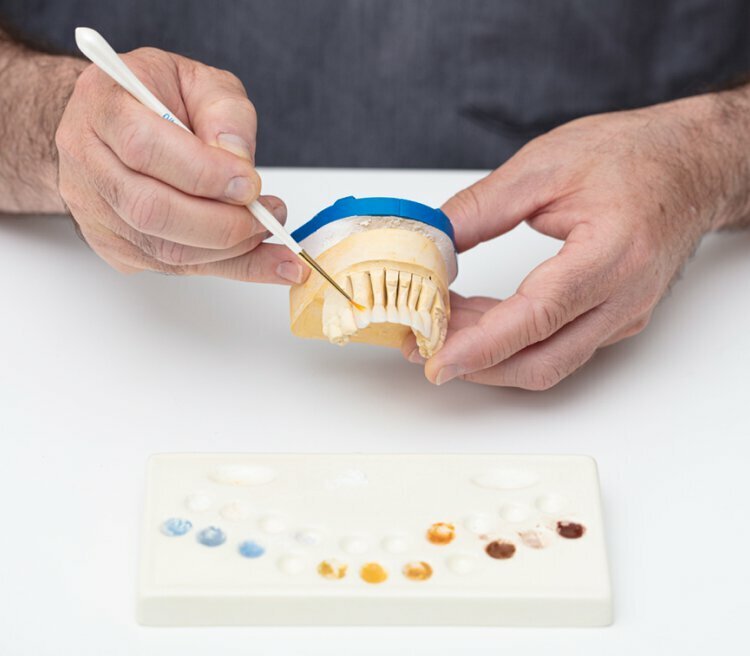
One myth I want to bust right now is that “thinner” means “fake looking.” That is simply not true. NuVeneers are hand-crafted by master ceramists using high-quality porcelain. They are layered to mimic the translucency of natural enamel. When light hits a natural tooth, it bounces off the inner layers. NuVeneers allow this light reflection to happen naturally.
Traditional veneers also look fantastic, but because they are thicker, they are more opaque. Sometimes, if not done correctly, they can look flat or monochromatic. My goal with NuVeneers is to create a smile that looks like you were just blessed with great genetics, not like you bought a set of teeth.
For more information on the standards of cosmetic dental materials, you can read about clinical guidelines on the American Academy of Cosmetic Dentistry (AACD) website. They set the bar for excellence in our field.
Who is the Ideal Candidate for NuVeneers?
While I love NuVeneers, I have to be honest: they are not for every single patient. The battle of NuVeneers vs Traditional Veneers often comes down to your starting point.
NuVeneers are best for you if:
- You have small gaps between teeth (diastema).
- Your teeth are slightly misaligned but not severely crooked.
- You have small or “peg” teeth that need to be built up.
- You want a whiter smile that won’t fade.
- You have “dental anxiety” and want to avoid drills and needles.
Traditional Veneers might be better if:
- You have severe discoloration or dark grey banding (NuVeneers are so thin the dark color might show through).
- Your teeth are large or protruding (adding a NuVeneer might make them look too bulky).
- You have significant crowding that requires reshaping the tooth to align the arch.
During our consultation, I use digital imaging to analyze your bite and smile line. This helps us determine which category you fall into.
The Procedure: What to Expect in My Chair
If you decide to move forward with NuVeneers, the process is streamlined and exciting. Here is a typical timeline:
Step 1: The Consultation and Design
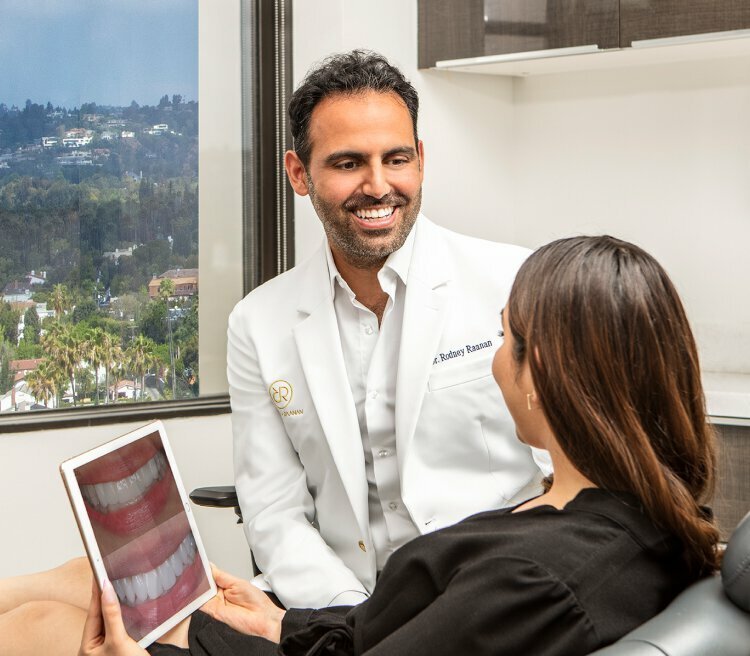
We start by talking. I want to know what you hate about your current smile and what your dream smile looks like. We take high-resolution photos and digital scans. We design your new smile digitally so you can see the potential result before we even touch a tooth.
Step 2: The “Try-In”
Unlike traditional veneers where you wear temporary plastic teeth for weeks while the gums heal from the drilling, NuVeneers often don’t require temporaries. However, if we do minimal contouring, we might place a prototype. This lets you “test drive” the new shape and length.
Step 3: Bonding Day
This is the magic day. Your custom porcelain NuVeneers arrive from the lab. I check each one for perfect fit and color. We clean your teeth thoroughly and use a special dental cement to bond the veneers to your enamel. I use a curing light to harden the bond instantly. After a few final adjustments to ensure your bite is comfortable, you are handed a mirror.
Durability and Maintenance
You might think that because NuVeneers are thinner, they are weaker. Surprisingly, that is not the case. Once NuVeneers are bonded to your enamel, they become incredibly strong. The bond between porcelain and enamel is one of the strongest in dentistry—much stronger than the bond between porcelain and the deeper dentin layer (which is what traditional veneers bond to).
Maintenance is simple. You treat them just like your natural teeth. I recommend:
- Brushing twice a day with a non-abrasive toothpaste.
- Flossing daily (yes, you can floss between them!).
- Wearing a nightguard if you grind your teeth at night.
- Visiting me for regular checkups and cleanings.
If you take care of them, your NuVeneers can give you a dazzling smile for 15 to 20 years.
Cost Considerations
I know cost is a major factor for my patients. Generally speaking, NuVeneers and traditional veneers are comparable in price. You are paying for the expertise of the dentist, the skill of the ceramist, and the high-quality porcelain material. While insurance typically does not cover cosmetic procedures, I view this as an investment in yourself. The confidence you gain is priceless.
Making Your Decision
Choosing between NuVeneers vs Traditional Veneers is a collaborative process. I am here to guide you, but your goals drive the treatment plan. If you are looking for a solution that preserves your natural biology, minimizes discomfort, and delivers high-impact aesthetics, NuVeneers are often the superior choice.
However, if your dental anatomy requires more structural correction, I have the expertise to perform traditional veneer preparation safely and beautifully. There is no “one size fits all” in my practice.
Ready to Transform Your Smile?
Your smile is your greeting to the world. It should represent the best version of you. If you are tired of hiding your teeth or feeling self-conscious, it is time to take action. I invite you to visit my office for a comprehensive consultation.
Together, we can look at your unique dental structure and decide if NuVeneers are the right fit for you. I would love to help you achieve the smile you have always dreamed of—conservatively, painlessly, and beautifully. Let’s make your dream smile a reality.