Every day, I meet patients who walk into my practice covering their mouths when they speak. They have spent years, sometimes decades, dealing with dental pain, difficulty chewing, or just the embarrassment of a smile they feel is broken. If this sounds familiar, I want you to know that you are not alone, and more importantly, there is a comprehensive solution.
While many people visit the dentist for a simple cleaning or a single filling, some situations require a more complete approach. This is where Full Mouth Reconstruction comes into play. It isn’t just about making teeth look pretty; it is about rebuilding the foundation of your oral health to ensure your teeth, gums, and jaw muscles all work together in perfect harmony. In my experience, this procedure is truly life-changing, restoring not just function, but self-confidence.
I want to walk you through exactly what this process entails, how we determine if you are a candidate, and why it might be the best investment you ever make for your health.
Understanding Full Mouth Reconstruction
So, what exactly is full mouth reconstruction? In simple terms, it is the process of rebuilding or simultaneously restoring all of the teeth in both the upper and lower jaws. Unlike a “smile makeover,” which is primarily cosmetic (focused on how the teeth look), full mouth reconstruction is a necessity born from a need to fix the relationship between the teeth, bone, and muscles.
When I plan a reconstruction, I look at the mouth as a complex machine. If one gear is out of alignment, the whole machine creates friction and eventually breaks down. My goal is to reset that machine so it runs smoothly.
This process combines the art of cosmetic dentistry with the science of restorative dentistry. We aim to improve the durability of your bite while simultaneously giving you a stunning aesthetic result. It often involves a team of specialists, but as your dentist, I act as the architect, designing a blueprint that addresses every unique issue in your mouth.
Who Needs Full Mouth Reconstruction?
You might be wondering if your dental issues are severe enough to warrant such a comprehensive treatment. Generally, candidates for this procedure have multiple oral health problems that cannot be fixed with a patch-work approach of single fillings or crowns over time.
I often recommend this path for patients experiencing the following issues:
- Severe Tooth Wear: This is common in patients who grind their teeth (bruxism) or have high acid levels in their mouth due to diet or acid reflux. The teeth become short and flat, which can change your facial structure and make you look older.
- Multiple Missing Teeth: Whether due to decay, gum disease, or trauma, missing teeth can cause the jawbone to shrink and remaining teeth to shift.
- Chronic Jaw Pain (TMJ): If you wake up with headaches, jaw clicking, or muscle soreness, it is often because your bite is misaligned. Reconstruction can reposition the jaw into a comfortable resting place.
- Advanced Gum Disease: Periodontitis can damage the soft tissue and bone that support the teeth. We must stabilize this foundation before we can build a beautiful smile on top of it.
- Trauma: Accidents that result in multiple broken or knocked-out teeth require a full-scale restoration plan.
A Look at the Numbers
Dental health issues are more common than you might think. According to the American College of Prosthodontists, approximately 178 million Americans are missing at least one tooth, and about 40 million are missing all of their teeth. These numbers highlight just how critical restorative solutions are for a massive portion of the population.
The Connection Between Oral Health and Overall Health
One thing I always emphasize to my patients is that the mouth is the gateway to the body. Ignoring major dental issues doesn’t just hurt your smile; it impacts your general well-being. When you cannot chew properly, your digestion suffers because you are unable to break down food effectively. This can lead to nutritional deficiencies and gastrointestinal problems.
Furthermore, chronic infections in the mouth, such as gum disease, have been linked to heart disease, diabetes, and other systemic conditions. By opting for a full mouth reconstruction, we aren’t just fixing teeth; we are removing infection and inflammation from your body, which contributes to better overall longevity.
Common Procedures Included in the Process
Because every patient is unique, no two reconstruction plans are exactly alike. However, I utilize a specific toolkit of advanced dental procedures to achieve the final result. Depending on your needs, your treatment plan might include a combination of the following:
1. Dental Implants
If you are missing teeth, implants are the gold standard for replacement. They are titanium posts surgically placed into the jawbone to act as artificial tooth roots. Once they heal, we attach a crown, bridge, or denture on top. They provide stability that traditional dentures simply cannot match.
2. Porcelain Veneers
For teeth that are still healthy but are worn down, chipped, or stained, veneers are an excellent option. These are thin shells of medical-grade ceramic that are bonded to the front of your teeth. In a reconstruction, I use veneers not just for looks, but to build up the size of the teeth to correct the bite.
3. Dental Crowns
When a tooth is severely damaged or has had a large filling fail, a crown (or cap) covers the entire visible portion of the tooth. This adds strength and protection. In full mouth cases, we often crown all the back teeth to restore the proper vertical height of your bite.
4. Orthodontics
Sometimes, before we can place any porcelain restorations, we need to move the teeth into better positions. This might involve traditional braces or clear aligners like Invisalign. Moving the teeth into the right place allows for more conservative preparation of the teeth later on.
5. Bone Grafting and Gum Contouring
A house needs a solid foundation. If you have experienced bone loss, we may need to perform grafting to build up the jaw volume for implants. Similarly, if your gum line is uneven or you have a “gummy smile,” we can reshape the tissue to create a symmetrical, pleasing frame for your new teeth.
The Step-by-Step Journey
I know that the idea of “full mouth reconstruction” can sound intimidating. However, at our practice, we break it down into manageable phases. Here is what you can generally expect when you start this journey with me.
Phase 1: Comprehensive Diagnosis and Planning
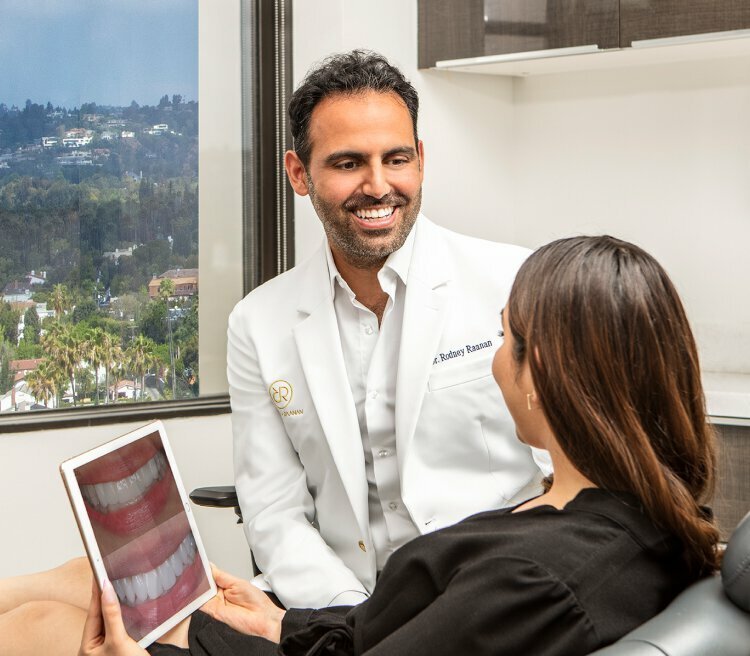
This is the most critical step. We don’t guess; we measure. I utilize advanced imaging technology, including CBCT (3D scans), digital X-rays, and intraoral cameras. We analyze your jaw movement, muscle function, and aesthetic goals. We discuss what you want your smile to look like—whether that’s a Hollywood white or a natural, subtle enhancement.
Phase 2: The Foundation Work
Before we place the pretty porcelain, we must ensure the biology is healthy. This involves treating any active gum disease, performing root canals on infected teeth, or extracting teeth that cannot be saved. If you need oral surgery, such as bone grafting or implant placement, it usually happens during this phase.
Phase 3: The Provisional Phase
This is a step many people don’t know about, but it is vital. I will often place temporary restorations (provisionals) on your teeth. These act as a “test drive” for your new smile. You will wear these for a few weeks or months. This allows us to verify that the new bite is comfortable and that your speech is natural. If you have jaw pain, this phase helps us ensure those symptoms are resolved before we make the permanent teeth.
Phase 4: The Final Restoration
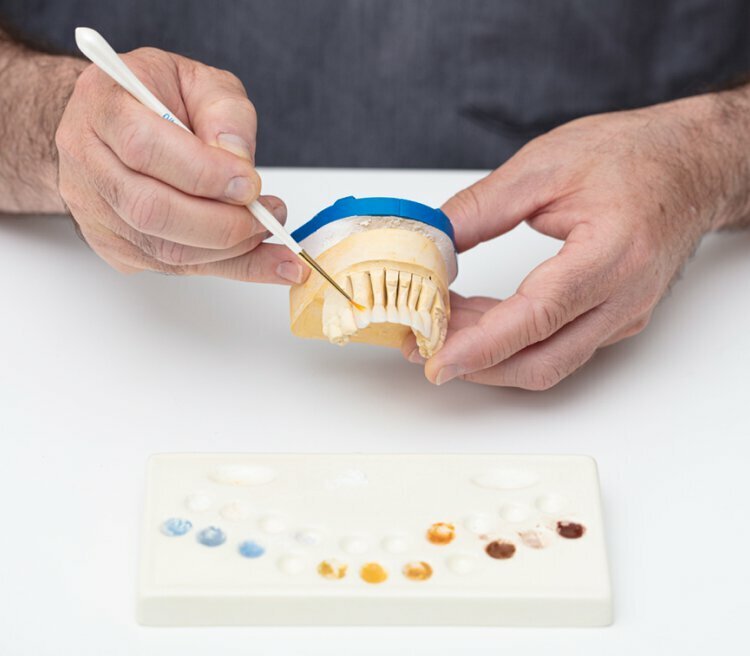
Once we have confirmed that the prototype works perfectly, we fabricate your permanent restorations using high-quality ceramics. These are bonded into place, and your new smile is revealed. This is always my favorite day at the office—the tears of joy and the immediate boost in confidence are incredible to witness.
Does It Hurt? Addressing Patient Anxiety
Fear of pain is the number one reason people delay necessary dental care. I want to reassure you that modern dentistry has come a long way. We prioritize patient comfort above all else.
For extensive procedures like full mouth reconstruction, we offer various levels of sedation. From nitrous oxide (laughing gas) to IV sedation, we can ensure that you are in a state of deep relaxation throughout the treatment. Many of my patients report that they have little to no memory of the procedure itself. We also use long-lasting local anesthetics to manage post-operative comfort.
It is normal to experience some soreness or sensitivity as your mouth adjusts to the new bite, but this is usually manageable with over-the-counter medication and subsides quickly.
Longevity and Success Rates
You are likely viewing this as a significant financial and emotional investment, so you want to know: How long will it last? The good news is that with proper care, full mouth reconstruction can last for decades.
Let’s look at another data point regarding the durability of these treatments. Research indicates that dental implants have a success rate of up to 98%. When performed by a skilled specialist and maintained with good hygiene, they are a permanent solution for tooth loss. Porcelain restorations like crowns and veneers are also incredibly durable, often lasting 15 to 20 years or more.
Of course, the longevity depends on you, too. I always tell my patients that a new smile requires maintenance. Regular check-ups, professional cleanings, and wearing a nightguard (if prescribed) are non-negotiable to protect your investment.
The Cost Factor
I believe in transparency. Full mouth reconstruction is a significant investment. Because the treatment is highly customized—some patients need four implants, others need twenty-eight crowns—there is no single price tag. However, we view this as an investment in your quality of life.
Most dental insurance plans will cover portions of the procedure, specifically those deemed “medically necessary” like root canals, fillings, or partial coverage for crowns and dentures. At our practice, we work closely with you to maximize your benefits and offer financing options to break the cost into manageable monthly payments. We believe that financial constraints should not be a barrier to health.
For more detailed information on restorative procedures and what insurance might cover, the American Dental Association (ADA) provides excellent resources regarding the science behind these treatments.
The Anti-Aging Effect
There is a hidden benefit to full mouth reconstruction that I love to share: it makes you look younger. As we age and our teeth wear down, the lower third of the face begins to collapse. This leads to deep wrinkles around the mouth, thinner lips, and a chin that looks too close to the nose.
By rebuilding the teeth to their original size and correcting the bite, we essentially perform a “non-surgical facelift.” We restore the volume of the face, smoothing out wrinkles and giving the lips better support. Patients often tell me that their friends ask if they have had work done, not realizing it’s simply their smile that has been restored.
Take the First Step Toward Your New Smile
Living with dental pain, inability to eat the foods you love, or insecurity about your appearance is exhausting. It takes a toll on your mental and physical health. But I want you to know that it is never too late to fix it. I have treated patients in their 80s who decided they wanted to enjoy their golden years with a functioning smile, and they have never regretted it.
Full mouth reconstruction is a journey, but it is one we take together. My team and I are dedicated to guiding you through every step, ensuring you feel heard, comfortable, and confident in the plan we create.
If you are ready to stop hiding your smile and start living your life with confidence again, I invite you to schedule a consultation with me. Let’s sit down, discuss your goals, and design a future where you can smile without hesitation.