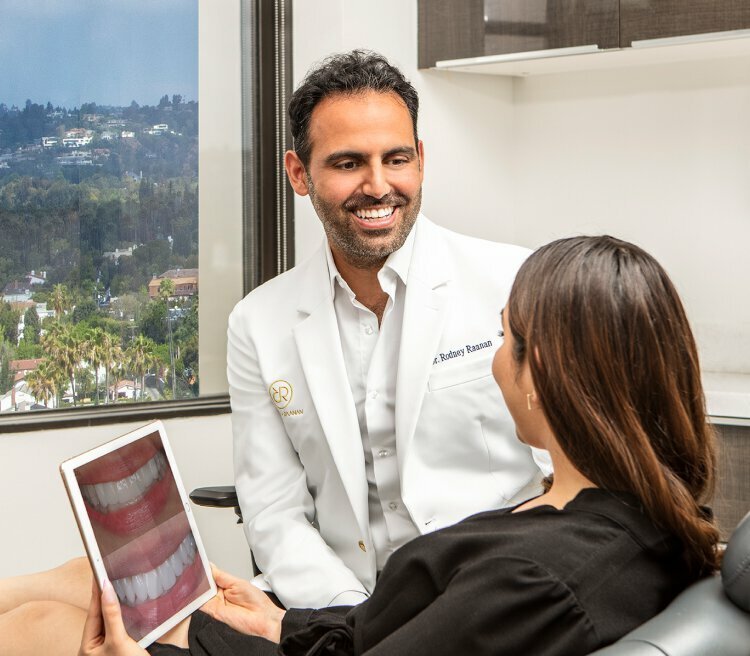
When patients walk into my practice looking to transform their smiles, they often have the same goal in mind: a flawless, confident, and natural-looking result. However, the path to getting there isn’t always clear. One of the most common questions I hear during consultations involves choosing between two popular cosmetic procedures. It is the classic debate of Composite Bonding vs Veneers.
Both options can fix chips, gaps, discoloration, and misalignment, but they are very different in terms of materials, longevity, cost, and the actual procedure. As a cosmetic dentist, I see my role as an educator first. I want to help you understand what goes into your smile so you can make the decision that fits your life and your budget. Today, I am going to break down everything you need to know about these two treatments so we can determine which one is truly worth the investment for you.
Understanding the Basics: What Are We Comparing?
Before we dive into the deep end of the comparison, it is important to understand exactly what these procedures are. While they both improve the appearance of teeth, the way we achieve the result is distinct.
What is Composite Bonding?
Composite bonding is an additive procedure. When I perform bonding, I am essentially acting as a sculptor. I use a tooth-colored resin material—a durable plastic mixture—and apply it directly to your tooth. I shape it, mold it, and smooth it out right there in the chair to correct imperfections.
Think of it like fixing a small scratch on a car or applying modeling clay to a structure to change its shape. It is fantastic for minor repairs. If you have a chipped edge or a small gap between your front teeth, bonding is often a quick and effective solution. It is usually completed in a single visit, which makes it very appealing for patients who want immediate gratification.
What are Porcelain Veneers?
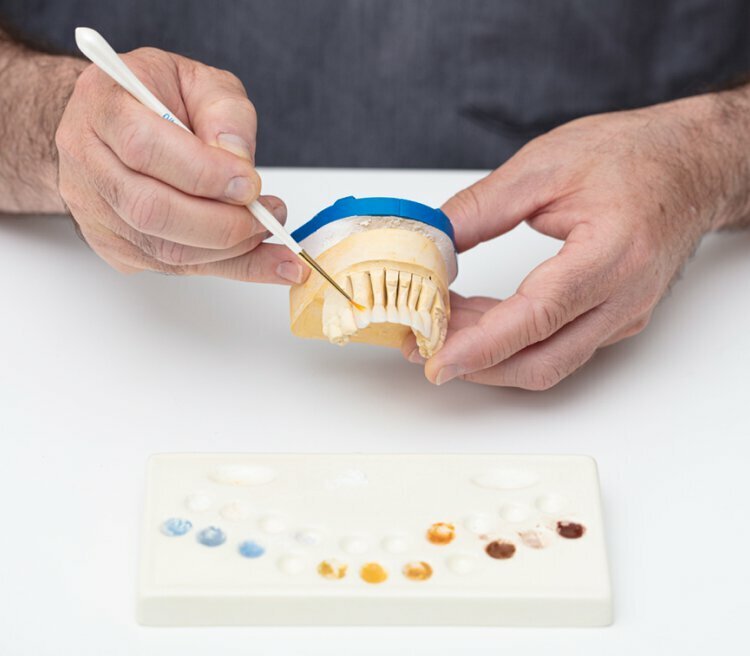
Porcelain veneers, on the other hand, are thin shells of medical-grade ceramic. They are custom-made in a dental laboratory to fit over the front surface of your teeth. Unlike bonding, which I apply directly, veneers are indirect restorations. This means we take impressions of your teeth, send them to a master ceramist, and they craft the veneers to match the specific shape, size, and color we desire.
If bonding is like repairing a wall with plaster, veneers are like resurfacing the entire front of the house with high-quality stone. They are designed to cover the entire front face of the tooth, providing a complete transformation. Because they are made of porcelain, they mimic the light-reflecting properties of natural teeth incredibly well.
The Aesthetic Differences: Looking at the Details
When we talk about Composite Bonding vs Veneers, aesthetics is usually the top priority for my patients. You want your smile to look real, not fake or “painted on.”
The Look of Composite Bonding
Modern composite resins are excellent. They come in various shades and opacities, allowing me to blend the material seamlessly with your natural tooth structure. For small changes, bonding can be virtually invisible. However, because resin is a porous material, it does not reflect light exactly the way natural enamel does. Over time, it can lose its luster and may appear a bit duller than the surrounding teeth if not polished regularly.
The Look of Porcelain Veneers
Porcelain is the gold standard in cosmetic dentistry for a reason. It has a translucency that is almost identical to natural tooth enamel. When light hits a veneer, it penetrates the surface and reflects off the opaque layer underneath, giving the tooth depth and life. Furthermore, porcelain is highly resistant to stains. If you love your morning coffee or a glass of red wine, porcelain will maintain its brightness much longer than composite resin.
Durability and Longevity: A Key Factor in Investment
This is where the conversation about “investment” really takes center stage. When you spend money on your smile, you want to know how long it is going to last.
How Long Does Bonding Last?
Composite bonding is strong, but it is not indestructible. The material is softer than natural enamel and porcelain. This means it is more prone to chipping or breaking if you bite down on something hard, like ice or a pen cap. Additionally, because the resin is porous, it absorbs stain-causing pigments from food and drinks.
generally, you can expect composite bonding to look its best for about 3 to 7 years. After that, it may need to be repaired or replaced due to staining or wear. It requires a bit more maintenance in terms of polishing to keep it looking fresh.
How Long Do Veneers Last?
Porcelain veneers are incredibly durable. Once they are bonded to the teeth, they become extremely strong. They rarely chip and, as I mentioned, they do not stain easily. Data shows that with proper care, porcelain veneers have a survival rate of over 90% after 10 years, and over 80% after 20 years. This longevity is a massive factor when calculating the true cost of the procedure.
While a veneer can technically break, it takes considerable force. For most patients, a set of veneers is a long-term solution that can last decades without needing significant work. This reliability is why many of my patients opt for veneers when they want a “one and done” solution.
The Procedure: Time and Comfort
I know that time is valuable to my patients. The process for these two treatments differs significantly.
The Bonding Process
Composite bonding is often minimally invasive. In many cases, I do not even need to numb the patient. I simply roughen the surface of the tooth slightly to help the resin stick, apply a conditioning liquid, and then layer on the putty-like resin. I use a special light to harden the material, and then I trim and polish it. You can walk in with a chipped tooth and walk out an hour later with a perfect smile.
The Veneer Process
Veneers require a bit more commitment. The process usually takes two or three visits. First, we have a consultation to design your smile. Then, I prepare the teeth by removing a tiny amount of enamel—usually less than a millimeter—to make room for the veneer so it doesn’t look bulky. We take impressions and place temporary veneers while the lab crafts your permanent ones.
About two weeks later, you return to my office, and I bond the permanent ceramic shells to your teeth. While it takes longer, this process allows for a level of customization and perfection that is hard to achieve with direct bonding.
Analyzing the Cost: Short Term vs. Long Term
Cost is always a sensitive subject, but it is a necessary one. When analyzing Composite Bonding vs Veneers, you have to look at the price tag in two ways: upfront cost and lifetime value.
Composite bonding is significantly cheaper upfront. It requires less chair time and no laboratory fees. If you are on a strict budget or just need to fix one minor issue, bonding is a financially attractive option.
Porcelain veneers are a higher upfront investment. You are paying for the high-grade ceramic material, the artistry of the lab technician, and the complex bonding procedure. However, if we look at the data, the long-term value shifts.
Consider this data point: While veneers may cost two to three times more than bonding initially, the frequency of replacement for bonding (every 5-7 years) compared to veneers (every 15-20 years) often makes veneers more cost-effective over a 20-year period. You aren’t just paying for the product; you are paying for longevity.
Who is the Right Candidate for Each?
Not every smile is right for veneers, and not every issue can be solved with bonding. I assess every patient individually, but here are some general guidelines I follow.
Choose Composite Bonding If:
- You have minor imperfections: Small chips, cracks, or slight gaps are easily fixed with resin.
- You have healthy enamel: Bonding works best on teeth that are generally healthy and straight.
- You are younger: For younger patients whose teeth are still settling or who might suffer dental trauma (like from sports), bonding is a great reversible option.
- You want an immediate fix: If you have a wedding or event next week, bonding is the way to go.
Choose Porcelain Veneers If:
- You want a total smile makeover: If you want to change the color, shape, and size of multiple teeth, veneers provide a uniform look.
- You have severe discoloration: Deep internal stains (like from tetracycline) often show through bonding but can be masked by porcelain.
- You want stain resistance: If you don’t want to worry about your coffee habit darkening your smile, porcelain is superior.
- You want the most natural aesthetic: For the most realistic, glass-like appearance, nothing beats ceramic.
The “Feel” Factor
Another aspect I like to mention is how the teeth feel to your tongue. Porcelain is incredibly smooth—smoother than natural enamel. Patients often tell me how much they love the clean, slick feel of their veneers. Composite resin, while polished, can feel slightly different and may become a little rougher over the years as it wears down.
Furthermore, gum health is vital. Porcelain is very biocompatible. Gum tissue tolerates porcelain very well, which helps in maintaining healthy, pink gums around the restorations. Composite resin can sometimes accumulate more plaque if not polished perfectly, so hygiene is critical.
Making the Investment Decision
When you look in the mirror, what do you want to see? Do you want a quick fix that looks good for now, or do you want a long-lasting transformation that mimics nature perfectly?
If you choose bonding, you are investing in flexibility and speed. You are keeping your options open and saving money today. It is a fantastic entry point into cosmetic dentistry.
If you choose veneers, you are investing in permanence and perfection. You are deciding that your smile is a major asset and you want the highest quality materials protecting it. It is akin to buying a high-quality suit or dress that lasts a lifetime versus buying something trendy that might wear out in a few seasons.
For more detailed information on the medical and procedural aspects of these treatments, I recommend reading this article on Dental Veneers and Bonding from Healthline. It offers great additional insights into what you can expect during the medical process.
Your Smile, Your Choice
Ultimately, the battle of Composite Bonding vs Veneers doesn’t have a single winner. The winner is the option that aligns with your specific dental needs, your aesthetic goals, and your financial comfort zone. My goal is to ensure that whatever you choose, you leave my office feeling happier and more confident than when you walked in.
I encourage you to look at your smile as an investment in yourself. Whether we use the artistic sculpting of composite resin or the durable beauty of porcelain, we are enhancing the way the world sees you and, more importantly, how you see yourself. If you are ready to discuss which path is right for you, I am here to guide you every step of the way.