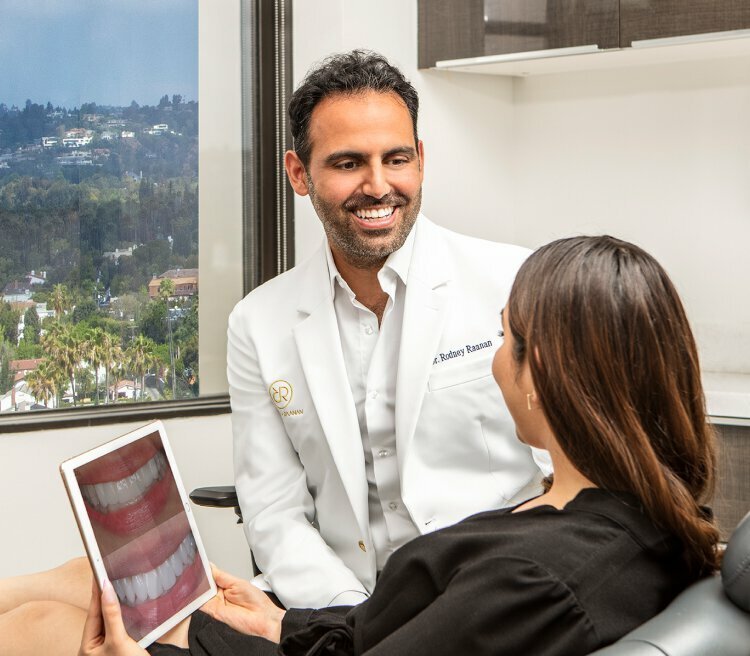
There is nothing quite as nerve-wracking as losing a front tooth. It is the centerpiece of your smile, the first thing people notice when you speak, and a huge part of your self-confidence. If you have damaged a front tooth or have been told you need an extraction, you are probably worrying about what comes next. Will everyone know? Will it look fake? How long will I have to hide my smile?
I am here to put those fears to rest. As a cosmetic dentist, I have seen firsthand how dental implants front tooth procedures can completely restore a patient’s life. We aren’t just fixing a gap; we are rebuilding your confidence with artistry and precision. The goal is simple: a seamless, natural look that makes it impossible to tell where the natural tooth ends and the implant begins.
Let’s dive deep into how we achieve this invisible restoration and why you should feel excited, not scared, about the possibilities of modern dentistry.
The Unique Challenge of the “Esthetic Zone”
In dentistry, we call the front teeth the “esthetic zone.” This is the area that shows when you smile, laugh, or talk. Placing an implant here is very different from placing one in the back of the mouth where no one sees it. For a back tooth, strength is the number one priority. For a front tooth, strength is important, but esthetics are everything.
Achieving a natural look requires more than just a white crown. It requires managing the gum tissue so that it drapes over the tooth naturally. It requires matching the translucency of your adjacent teeth so light passes through them in the same way. It is a work of art. When I plan for dental implants front tooth replacement, I am looking at the entire harmony of your face, not just the empty space.
What Exactly is a Dental Implant?
Before we get into the artistry, it is helpful to understand the mechanics. A dental implant is essentially an artificial tooth root. It is a small post, usually made of titanium or zirconia, that is surgically placed into your jawbone. Over time, your body does something amazing called osseointegration. This is a fancy word that simply means your bone fuses to the implant, locking it in place.
Once that bond is strong, we attach an abutment (a connector piece) and then the final crown. The crown is the part that looks like a tooth. When done correctly, this three-part system mimics the structure of natural teeth better than any other replacement option available today.
The Step-by-Step Journey to a Flawless Smile
I know that the unknown can be scary. Understanding the roadmap of your treatment helps reduce anxiety. Here is how we generally approach replacing a front tooth.
1. Comprehensive Digital Planning
We don’t guess; we plan. Using advanced 3D CBCT scans, I can see your bone density, nerve position, and gum thickness before we ever begin. This allows for precise placement. If the implant is placed at the wrong angle, even by a millimeter, the final crown might look too long, too short, or stick out unnaturally. Digital planning ensures the foundation is perfect.
2. The Surgical Phase and Immediate Temporaries
This is the question I get asked most often: “Will I have to walk around without a tooth?” The answer is absolutely not. In many cases involving front teeth, we can place a temporary crown on the same day as the implant placement. We call this an “immediate load.”
This temporary tooth serves two purposes. First, it ensures you leave the office smiling. Second, it helps sculpt your gum tissue while the area heals. We shape this temporary tooth to guide your gums to heal in a nice, scalloped shape, preserving the natural “pink esthetics” that are crucial for a seamless look.
3. The Healing Period
Patience is key here. While you wear your temporary tooth, the implant is fusing with your jawbone. This usually takes a few months. It is vital not to rush this process. A solid foundation ensures your new smile lasts a lifetime.
4. The Custom Restoration
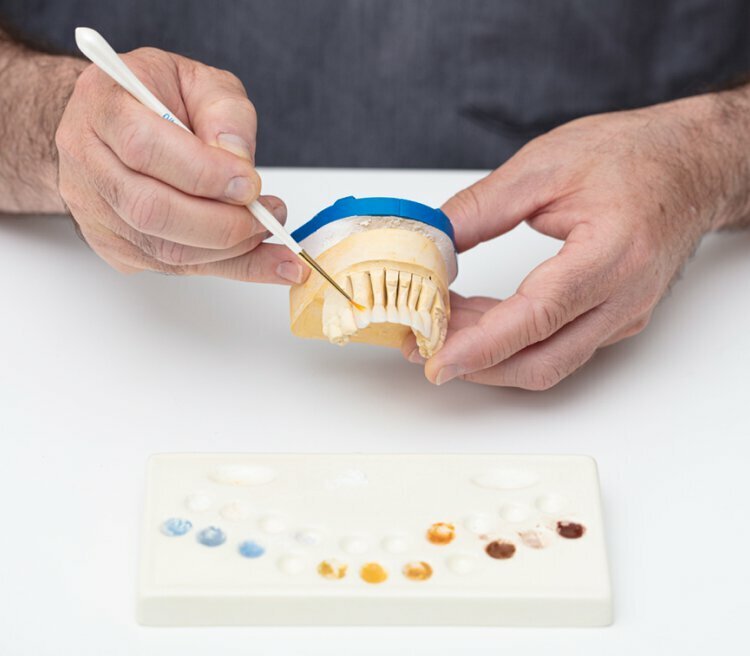
Once healing is complete, we create the final custom crown. This is where the magic happens. We layer high-quality porcelain to mimic the slight color variations found in your natural enamel. Real teeth aren’t just one flat color; they have gradients and transparency at the edges. We replicate all of that.
Why Gum Tissue Matters More Than You Think
When you look at a beautiful smile, you probably notice the white teeth. But what makes them look real is actually the pink gums framing them. If the gum line is uneven or if the gum tissue recedes (pulls back), the implant will look fake. It might expose the metal post or make the tooth look incredibly long.
For dental implants front tooth cases, I pay obsessive attention to the soft tissue. Sometimes, this means performing a minor gum graft to thicken the tissue and prevent it from shrinking. By plumping up the gum tissue, we create the illusion that the tooth is growing right out of the gum, just like your natural teeth. This is often the difference between a “good” result and a “perfect” result.
Data That Should Give You Confidence
If you are worried about whether this procedure works, the numbers are on your side. Dental implants are one of the most studied and successful procedures in medicine.
- Success Rates: According to clinical research, dental implants have an overall success rate of up to 98%. When placed by a specialist who understands the unique requirements of the front of the mouth, the risk of failure is incredibly low.
- Longevity: Unlike bridges or dentures that may need replacing every 10 to 15 years, a well-cared-for dental implant can last a lifetime. This makes it a smart long-term investment in your health.
For more detailed information on the reliability of these procedures, you can read about how dental implants work and their benefits from a trusted oral health resource.
Matching Your Unique Shade
Have you ever seen someone with a crown that looks like a Chiclet? It’s too white, too opaque, and totally lifeless. That happens when the dentist chooses a monochromatic shade that doesn’t match the surrounding teeth.
Your natural teeth possess a property called fluorescence—they reflect light in a specific way. To achieve a seamless look, we use materials like layered porcelain or zirconia that mimic this light reflection. We also add texture. If your natural teeth have slight ridges or grooves, your implant crown should too. If your other teeth are a bit smoother, the implant must match.
We take high-resolution photos and sometimes even have the master ceramist (the artist who builds the tooth) come in to see the shade in person. We don’t stop until the color blend is undetectable.
Bone Preservation: The Hidden Benefit
Beyond looks, there is a critical health reason to choose an implant over a bridge. When you lose a tooth, the jawbone in that area starts to melt away because it is no longer being stimulated by chewing pressure. This is called bone resorption.
If you lose bone in the front of your mouth, your face can start to look sunken, making you look older than you are. Because the implant replaces the root, it stimulates the jawbone and keeps it healthy and strong. It preserves your facial structure. A dental bridge, which only sits on top of the gums, cannot do this.
Is the Procedure Painful?
This is a very common concern. I want to reassure you that patient comfort is our top priority. Most patients tell me that the procedure was much easier than they anticipated—often easier than the tooth extraction itself.
We use local anesthesia to completely numb the area. We also offer sedation options for patients who feel anxious. You shouldn’t feel pain during the surgery. Afterward, there may be some mild soreness or swelling, but this is usually manageable with over-the-counter medication. Because the implant is placed into the bone (which has very few pain-sensing nerves compared to teeth), the recovery is generally quite smooth.
Materials We Use for the Front Tooth
Not all implants are created equal. For back teeth, we might use a titanium post because it is incredibly strong. However, for a front tooth, we sometimes have to be careful with metal.
If you have thin gums, a dark titanium post might create a greyish shadow through the gum line. To avoid this, we often use zirconia implants or zirconia abutments. Zirconia is a white, ceramic-like material that is incredibly strong and biocompatible. Because it is white, even if your gums are thin, there will be no dark shadow. This ensures that the “pink esthetics” remain bright and healthy-looking.
Maintaining Your New Smile
One of the best things about dental implants front tooth restorations is how easy they are to care for. You treat them just like your natural teeth. You brush them twice a day and floss daily. It is important to floss around the implant to keep the gum tissue healthy, just as you would with a natural tooth.
Regular check-ups are also essential. We will take X-rays periodically to make sure the bone level around the implant remains stable. With proper hygiene, there is no reason your new smile shouldn’t last for the rest of your life.
The Cost of Quality
I believe in being transparent. A front tooth implant is an investment. It is often more expensive than a removable denture or a dental bridge. However, when you consider the long-term benefits—bone preservation, unshakeable confidence, and durability—it offers the best value.
A bridge requires us to shave down the healthy teeth on either side of the gap to support the false tooth. An implant is a standalone solution that leaves your other healthy teeth untouched. Preserving your natural tooth structure is always the best approach for long-term oral health.
Common Questions About Front Tooth Implants
How long does the whole process take?
The timeline varies from patient to patient. Generally, from the day of extraction to the final placement of the permanent crown, it can take anywhere from 3 to 6 months. This allows ample time for the bone to fuse with the implant. Remember, we provide a temporary tooth so you never have a gap during this time.
Am I a candidate?
Most adults are good candidates. The main requirement is having enough healthy bone to support the implant. If you have had a missing tooth for a long time and have lost bone, we might need to perform a bone graft first to rebuild the foundation. We also look at your overall health; conditions like uncontrolled diabetes or heavy smoking can affect healing.
Will it feel weird?
Initially, your tongue might notice the new tooth, just as it notices anything new in your mouth. However, because the implant is anchored in the bone, it feels just like a natural tooth when you chew. It doesn’t slip or click like a denture. Within a short time, you will likely forget it is even there.
Your New Smile Awaits
Losing a front tooth is an emotional event, but it is also an opportunity to upgrade your smile. Modern technology allows us to do things that were impossible just a few decades ago. We can replicate nature so closely that even you might forget which tooth is the implant.
I take great pride in the artistry required for these procedures. It is not just about filling a hole; it is about restoring the person behind the smile. You deserve to laugh without covering your mouth and to eat your favorite foods without worry. If you are considering dental implants front tooth options, know that a seamless, natural, and beautiful result is entirely within reach.