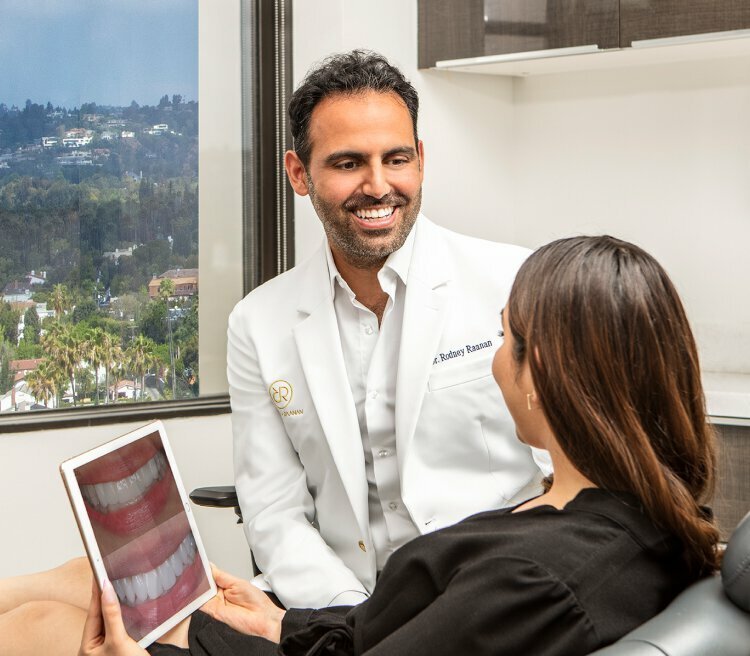
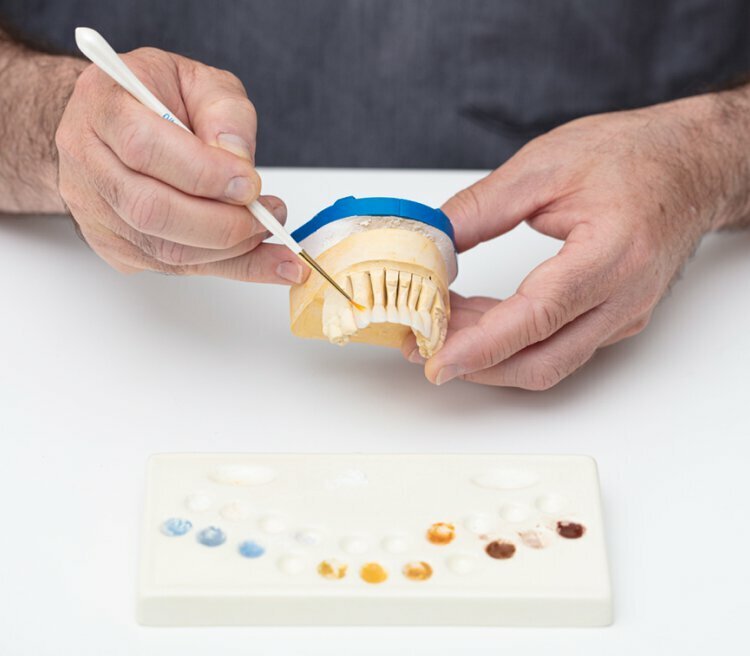
When patients walk into my practice, they are usually focused on one thing: their smile. Whether we are discussing veneers, whitening, or a general check-up, the conversation almost always centers on aesthetics. While I love helping people achieve the beautiful smile of their dreams, there is a much deeper conversation that I believe is vital to have. It is a conversation about how your mouth acts as a window to your overall well-being.
For years, medicine and dentistry were treated as separate entities. You went to a doctor for your body and a dentist for your teeth. However, modern science has proven that this separation is a myth. The reality is that there is a profound link between the two, specifically regarding Oral Health Heart Health. As a dentist, I don’t just care about your teeth; I care about the person attached to them. Understanding the connection between your gums and your heart could quite literally save your life.
Understanding the Mouth-Body Connection
To understand how your mouth affects your heart, we first have to look at what is happening inside your oral cavity. Your mouth is full of bacteria. Most of it is harmless and actually helps you digest food and maintain a healthy environment. However, without proper oral hygiene, bad bacteria can reach levels that lead to oral infections, such as tooth decay and gum disease.
In my experience, many patients view bleeding gums as a minor annoyance or a sign they brushed too hard. But I always tell them to view it differently. Imagine if your hand started bleeding every time you washed it. You would probably rush to the doctor immediately. Your gums should be treated with the same urgency. When you have gum disease (periodontitis), your gums become inflamed and prone to bleeding. This creates an open doorway for oral bacteria to enter your bloodstream.
The Journey from Gums to Heart
Once bacteria enter the bloodstream through compromised gums, they can travel to other parts of the body. This is where the concern for your heart begins. These bacteria can attach themselves to any damaged area and cause inflammation. According to recent research, the inflammation caused by oral bacteria can cause blood vessels to narrow. This places a strain on the heart and increases the risk of cardiovascular events.
This is not just a theory; it is something we see reflected in medical data. According to Harvard Health Publishing, people with gum disease have two to three times the risk of having a heart attack, stroke, or other serious cardiovascular event. This is a staggering statistic that highlights why brushing and flossing are about much more than just fresh breath.
Inflammation: The Common Enemy
If there is one word you should remember from this post, it is “inflammation.” In my practice, I often explain that inflammation is the body’s immune response to injury or infection. Short-term inflammation is good; it helps us heal. Chronic inflammation, however, is destructive.
Periodontitis is essentially a chronic inflammatory disease. It doesn’t just stay in the mouth. It triggers a body-wide response. This systemic inflammation is a major risk factor for heart disease (atherosclerosis). Atherosclerosis is the hardening of the arteries caused by the buildup of plaque. Interestingly, the plaque on your teeth and the plaque in your arteries are different substances, but the inflammation linking them is the same dangerous process.
When your body is constantly fighting infection in your gums, your liver releases C-reactive proteins (CRP), which are markers of inflammation. High levels of CRP are frequently associated with an increased risk of heart disease. By treating the inflammation in your mouth, we can help lower the overall inflammatory burden on your body.
Specific Heart Conditions Linked to Oral Health
While “heart disease” is a broad term, there are specific conditions where the link to oral health is undeniable. I want to break these down so you can understand the specific risks.
Endocarditis
Endocarditis is an infection of the inner lining of your heart chambers or valves. This usually occurs when bacteria or other germs from another part of your body, such as your mouth, spread through your bloodstream and attach to damaged areas in your heart. While this is rare in people with healthy hearts, those with pre-existing heart conditions are at higher risk. Maintaining impeccable oral hygiene is a primary preventative measure against this condition.
Coronary Artery Disease
As mentioned earlier, the connection between clogged arteries and gum disease is strong. The bacteria from your mouth can migrate into the arteries, contributing to the formation of clots or causing the arteries to swell and narrow. This restricts blood flow and can lead to heart attacks.
Stroke
A stroke occurs when blood flow to the brain is blocked. Studies have looked at the relationship between oral infection and stroke risk. The findings suggest that infections in the mouth can increase the risk of blood clots forming, which can then travel to the brain. Keeping your gums healthy keeps your blood flowing smoothly.
Recognizing the Warning Signs
Part of my job is educating patients on what to look for at home. You see your teeth every day in the mirror, which makes you the first line of defense. If you notice any of the following symptoms, it is crucial to schedule an appointment. These are signs of gum disease that could be impacting your Oral Health Heart Health:
- Red, swollen, or tender gums: Healthy gums should be firm and pale pink.
- Bleeding while brushing or flossing: This is an active sign of infection.
- Receding gums: If your teeth look longer than they used to, your gums may be pulling away.
- Persistent bad breath: This is often caused by bacteria accumulation.
- Loose teeth: In advanced stages, gum disease attacks the bone supporting the teeth.
Addressing these issues early prevents the bacteria from gaining the upper hand and entering your systemic circulation.
Lifestyle Factors: The Double-Edged Sword
It is important to acknowledge that the connection between the mouth and the heart isn’t just about bacteria. It is also about lifestyle. Many of the risk factors that lead to poor oral health are the exact same factors that lead to poor heart health. By addressing these, you improve both simultaneously.
The Role of Diet
A diet high in sugar and processed carbohydrates feeds the bacteria in your mouth, leading to cavities and gum disease. That same diet contributes to obesity and diabetes, which are major risk factors for heart disease. When I advise patients to cut down on sugary sodas to save their enamel, I am also helping them protect their heart.
Smoking and Tobacco Use
Smoking is perhaps the most significant risk factor for both gum disease and heart disease. It weakens your immune system, making it harder for your body to fight off gum infection. It also damages the lining of your blood vessels. Quitting smoking is the single best thing you can do for your smile and your longevity.
The Power of Prevention
Now that we have covered the risks, I want to pivot to the positive news. This connection works both ways. Just as poor oral health can harm your heart, improving your oral health can have a protective effect. It is empowering to know that by taking a few minutes each day to care for your teeth, you are investing in your cardiovascular future.
Data supports the power of prevention. A study published by the American Heart Association showed that individuals who reported brushing their teeth less than twice a day had a significantly higher risk of developing cardiovascular events compared to those who brushed twice daily or more. This data point reinforces that simple habits yield massive health dividends.
Here is the regimen I recommend to all my patients to ensure they are protecting their body from the top down:
1. Brush Twice a Day, Correctly
It is not just about doing it; it is about doing it right. Use a soft-bristled brush and fluoride toothpaste. Angle the brush at 45 degrees towards the gumline. This is where the bacteria hide. If you aren’t brushing the gums, you are missing the most critical area for heart health protection.
2. Floss Daily
I cannot stress this enough. Brushing only cleans about 60% of your tooth surfaces. Flossing cleans the tight spaces between teeth where gum disease often starts. If you don’t floss, you are leaving 40% of your mouth dirty. That 40% is where the bacteria that enter your bloodstream thrive.
3. Use an Antiseptic Mouthwash
Therapeutic mouthwashes can help reduce plaque and prevent or reduce gingivitis. Look for products with the ADA Seal of Acceptance. This adds an extra layer of protection by killing bacteria that brushing and flossing might miss.
4. Regular Professional Cleanings
Even with the best home care, plaque can harden into tartar, which can only be removed by a professional. Regular visits allow me and my team to spot early signs of gum disease that you might miss. We can treat inflammation before it becomes a systemic issue.
The Cosmetic Benefit of Health
As a cosmetic dentist, I have noticed a wonderful side effect of focusing on health: it looks good. Healthy gums frame the teeth beautifully. They don’t look puffy or red. When you take care of your oral health to protect your heart, you naturally achieve a brighter, more youthful smile. It is a win-win situation. You feel better on the inside, and you look radiant on the outside.
Many patients come to me wanting a “Hollywood Smile.” I tell them that the foundation of any great smile is health. We can place the most beautiful veneers in the world, but if the gums underneath are inflamed, the result will be compromised. True beauty starts with a healthy foundation.
Navigating Medical History with Your Dentist
Communication is key. When you come in for your appointment, please be open about your medical history. If you have a heart condition, high blood pressure, or a family history of heart disease, let us know. This information changes how we approach your treatment.
For example, there may be specific precautions we need to take during procedures to ensure your safety. We work as a team with your cardiologist to ensure that your dental care supports your heart treatments. This collaborative approach is the future of healthcare, and it is something I am proud to practice.
For further reading on how to keep your heart healthy through better habits, I highly recommend checking out this resource from the American Heart Association. It provides excellent tips that align perfectly with the advice I give in my dental chair.
Final Thoughts on Your Health Journey
The human body is an incredible, interconnected machine. It is easy to compartmentalize our health, thinking of our teeth as separate from our heart, but the evidence tells us otherwise. The bridge between Oral Health Heart Health is built on the daily choices we make.
I want you to feel empowered by this knowledge. You have the ability to lower your risk of heart disease simply by prioritizing your oral hygiene. It is a small investment of time—just a few minutes in the morning and at night—that pays off in years added to your life and life added to your years.
If it has been a while since your last check-up, or if you have noticed any of the warning signs I mentioned, I invite you to reach out. Let’s work together to ensure that your smile is not just beautiful, but also a guardian of your heart health. Your heart beats for you every second of every day; returning the favor by keeping your mouth healthy is the best “thank you” you can give it.