We have all seen those classic movie makeovers where the main character takes off their glasses, changes their hair, and suddenly looks like a brand-new person. In the world of dentistry, fixing a gap between your front teeth can have that same dramatic effect. That small space, known as a diastema, gives your smile character, and many people love it. However, if that gap makes you feel self-conscious or makes you hide your laugh behind your hand, it might be time to look for a solution.
For years, the standard answer to any spacing issue was a mouthful of metal brackets and wires. But let’s be honest: most adults and teenagers today aren’t thrilled about the idea of wearing metal braces for two years. The good news is that modern cosmetic dentistry has evolved significantly. In my practice, I help patients close teeth gap issues every day without them ever having to endure the “metal mouth” look. There are faster, more aesthetic, and incredibly effective ways to get the smile you have always wanted.
If you are wondering how to fix that space between your teeth while keeping your appearance natural and sophisticated, you are in the right place. Let’s explore the best non-metal options available to you.
Understanding the Diastema: Why Do You Have a Gap?
Before we jump into the solutions, it helps to understand why the gap exists in the first place. A diastema is simply a space or gap between two teeth. It appears most often between the two upper front teeth (the central incisors), but it can happen anywhere in the mouth.
There are a few common reasons why this happens:
- Genetics: Sometimes, it is just in your DNA. If your jaw bone is relatively large but your teeth are average or small in size, there will be extra room, leading to spacing.
- The Labial Frenum: This is the small piece of tissue that connects your upper lip to your gums. If this tissue is too thick or attaches too low, it can physically push the front teeth apart.
- Swallowing Reflexes: In a correct swallow, the tongue presses against the roof of the mouth. However, some people have a “tongue thrust,” where the tongue pushes against the front teeth. Over time, this pressure can push teeth forward and create gaps.
- Missing Teeth: If you are missing a tooth, the surrounding teeth might shift into the empty space, creating gaps elsewhere.
Regardless of the cause, the goal remains the same: bringing harmony to your smile. Here are the top methods I recommend to my patients.
Option 1: Cosmetic Dental Bonding
If you are looking for the fastest, most minimally invasive way to close a gap, cosmetic dental bonding is often the first option we discuss. I often describe this as the “immediate gratification” solution. You can walk into the office with a gap and walk out an hour later with a completely continuous smile.
How Bonding Works
Bonding involves using a tooth-colored composite resin material—similar to the material used for white fillings. I carefully sculpt this resin onto the sides of the teeth adjacent to the gap. By widening the teeth slightly, we close the space between them.
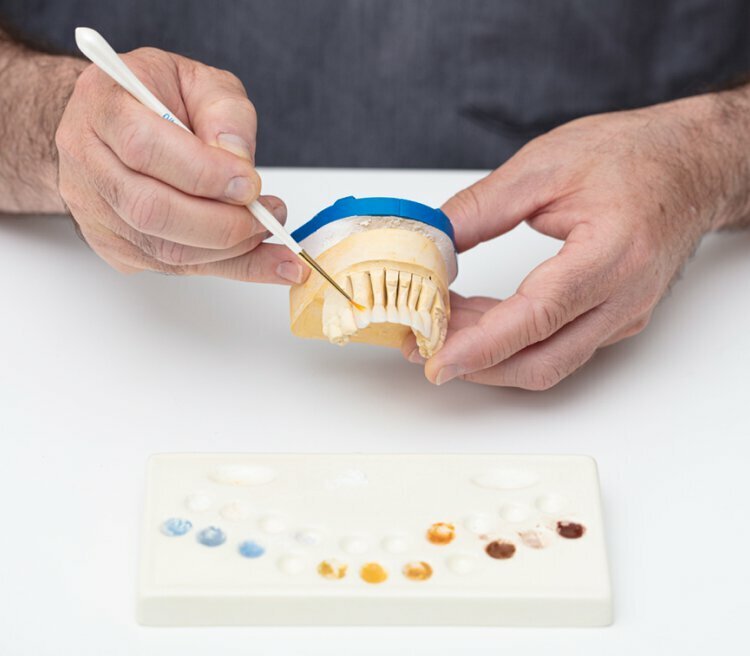
The process is quite artistic. I select a shade of resin that perfectly matches your natural tooth enamel. After preparing the surface of your tooth slightly (often without any anesthesia), I apply the resin, mold it into the perfect shape, and harden it with a special curing light. Finally, I polish it to a high shine so it reflects light just like a natural tooth.
The Pros and Cons of Bonding
The Upside:
- Speed: The procedure is usually completed in a single visit.
- Cost-Effective: Bonding is generally less expensive than veneers or aligners.
- Reversible: Because we remove very little (if any) natural tooth structure, this process is largely reversible.
The Downside:
- Staining: The resin material is more porous than natural enamel or porcelain, meaning coffee, tea, and red wine can stain it over time.
- Durability: While strong, bonding material is not as hard as porcelain. It can chip if you bite into very hard foods or use your teeth as tools (which you should never do anyway!).
This is a fantastic option for small gaps, but for larger spaces, making the teeth too wide with bonding can sometimes look unnatural. That is where our next option comes in.
Option 2: Porcelain Veneers
When patients come to me looking for that “Hollywood” smile or a complete transformation, porcelain veneers are usually the gold standard. Veneers are thin shells of medical-grade ceramic that are attached to the front surfaces of your teeth. They are incredibly versatile and can fix color, shape, size, and yes—spacing issues.
To close teeth gap issues with veneers, we design the porcelain shells to be slightly wider than your natural teeth. When placed, they meet in the middle, effectively hiding the gap.
The Artistic Process of Veneers
Getting veneers is a multi-step process because we are creating something custom-fitted to your face and smile. It typically involves a consultation, a preparation appointment where we take impressions, and a final bonding appointment.
The porcelain used in modern dentistry is fascinating. It mimics the translucency of natural teeth, meaning light enters the surface and bounces off the underlying layers, just like real enamel. This prevents that “fake” or “opaque” look that older dental work sometimes had.
Why Choose Veneers?
I find that veneers offer the best longevity for gap closure. Porcelain is highly resistant to stains. You can drink your morning coffee without worrying about your bonding turning yellow. Furthermore, veneers are incredibly strong once bonded to the tooth structure.
According to the American Academy of Cosmetic Dentistry, porcelain veneers are one of the most popular cosmetic procedures, with patient satisfaction rates consistently soaring above 90% due to the dramatic improvement in smile aesthetics.
However, veneers are an investment. They cost more than bonding and usually require the removal of a tiny amount of enamel to ensure the veneers sit flush against the gum line. This makes the procedure irreversible, so it is a lifetime commitment to a beautiful smile.
Option 3: Clear Aligners (Invisalign)
Sometimes, the teeth themselves are perfectly healthy and beautifully shaped, but they are just in the wrong positions. If you have a large diastema, or if you have gaps in multiple places (not just the front two teeth), moving the teeth is often the healthiest approach.
But this does not mean you need metal braces. Clear aligner therapy, widely known by the brand name Invisalign, has revolutionized how we move teeth.
How Clear Aligners Close Gaps
Instead of brackets glued to your teeth, you wear a series of clear, medical-grade plastic trays. These trays are custom-made using 3D computer imaging technology. Each set of aligners applies gentle pressure to specific teeth, slowly moving them into the desired position to close the spaces.
You wear each set of trays for about one to two weeks before switching to the next set in the series. You can take them out to eat, brush, and floss, which is a massive advantage over traditional braces regarding hygiene.
The Health Benefit of Movement
When we use bonding or veneers, we are essentially “camouflaging” the gap by making teeth wider. When we use aligners, we are actually correcting the arch of the teeth. This is often better for your gum health. Food is less likely to get trapped in spaces when the contact points between teeth are tight and natural.
A significant data point to consider is the rise of adult orthodontics. According to the American Association of Orthodontists, one in four orthodontic patients is an adult. This statistic proves that you are never too old to move your teeth, and the stigma of adult orthodontics has largely vanished thanks to clear aligner technology.
Patience is Key
The main trade-off with aligners is time. While bonding takes an hour and veneers take a few weeks, clear aligners can take anywhere from 6 to 18 months depending on the size of the gap. You also must be disciplined; the trays only work if they are in your mouth for at least 22 hours a day.
Option 4: Bioclear (Injection Molding)
There is a newer method gaining popularity that sits somewhere between bonding and veneers. It is called the Bioclear method. It uses a form of injection molding with composite resin.
Unlike traditional bonding, where the dentist layers the material by hand, Bioclear uses clear forms that are wrapped around the tooth. We inject warmed, liquefied composite resin into these forms. When it hardens, it creates a very dense, smooth, and shiny surface that is more durable and stain-resistant than traditional bonding.
I like this option for patients who want the durability close to a veneer but want to be as conservative as possible with their natural tooth structure. It wraps around the tooth to close the gap securely, reducing the “shelf” that can sometimes catch floss in older bonding techniques.
Comparing the Costs and Longevity
When you are deciding how to close teeth gap issues, budget and longevity are usually the deciding factors.
- Bonding: Lowest upfront cost. Lifespan is typically 3 to 7 years depending on habits.
- Veneers: Higher upfront cost. Lifespan is typically 10 to 15 years, often longer with excellent care.
- Clear Aligners: Moderate to high cost. The result is permanent as long as you wear your retainer.
It is important to view this as an investment in yourself. Research consistently shows that a confident smile correlates with higher self-esteem and better social interactions. You aren’t just paying for porcelain or plastic; you are paying for the confidence to smile in photos again.
The Importance of Retention
There is one critical rule I tell every single patient, regardless of which method they choose: Retention is forever.
If we close a gap using clear aligners, you must wear a retainer at night to keep the teeth from drifting back. Teeth have a memory; they want to go back to where they started. Even if you choose bonding or veneers, if your gap was caused by a tongue thrust or specific muscle movements, those forces can still shift your teeth over time.
For large gaps closed with veneers, I often recommend a night guard to protect the porcelain from grinding forces, ensuring your investment lasts as long as possible.
Why Not Just Keep the Gap?
I want to be clear: a diastema is not a disease. Many models and celebrities rock a tooth gap with immense style. If your gap is healthy and you love it, you should keep it! However, large gaps can sometimes pose gum health risks. When there is a space, food impacts the gums directly during chewing, which can lead to inflammation or pockets forming in the gum tissue.
Closing the gap can create a tight contact point that protects the delicate gum tissue (the papilla) between the teeth. For more information on how gaps can affect your oral health, you can read more from the experts at the American Dental Association’s MouthHealthy site.
Taking the Next Step Toward Your Dream Smile
Living with a smile you are unhappy with takes a toll on your daily life. You might not even notice that you are pursing your lips in photos or looking down when you laugh, but those small actions add up.
Technology has given us incredible tools to fix these issues without resorting to the metal braces of the past. whether it is the quick artistry of dental bonding, the transformative power of porcelain veneers, or the biological correction of clear aligners, there is a solution that fits your lifestyle.
The best way to determine which method is right for you is to sit down for a consultation. We can look at the proportions of your face, the health of your gums, and the size of the gap to create a customized plan. Your dream smile is closer than you think—sometimes, just a few millimeters away.