We have all been there. You are just drifting off into a peaceful sleep when a loud, rhythmic rumbling sound jolts you awake. Or perhaps you are the one being nudged in the ribs by a frustrated partner because your snoring is shaking the walls. While snoring is often treated as a joke in movies or cartoons, I see it differently in my practice. To me, loud and chronic snoring is often a red flag for a more serious condition known as Obstructive Sleep Apnea (OSA).
For many of my patients, the struggle to get a good night’s rest is real. It affects their energy, their mood, and even their long-term health. The traditional treatment—the CPAP machine—is effective, but let’s be honest: it isn’t for everyone. The mask can be bulky, the machine can be noisy, and it can feel restrictive. Fortunately, dentistry offers a different path. I want to share how a customized sleep apnea dental appliance can silence the snoring and help you breathe freely again.
Understanding the Snore: More Than Just Noise
Before we dive into the solution, it is important to understand what is happening in your body when you snore. Snoring occurs when air flows past relaxed tissues in your throat, causing the tissues to vibrate as you breathe. When you fall into a deep sleep, the muscles in the roof of your mouth (soft palate), tongue, and throat relax. If these tissues relax too much, they can partially block your airway and vibrate.
However, when snoring is accompanied by pauses in breathing, gasping, or choking sounds, it is likely Obstructive Sleep Apnea. In this condition, the airway completely collapses, blocking airflow to the lungs. Your brain senses the lack of oxygen and briefly wakes you up to reopen the airway. This cycle can happen dozens of times an hour, preventing you from ever reaching the deep, restorative stages of sleep.
According to the American Heart Association, roughly 1 in 5 adults has at least mild sleep apnea, yet many cases remain undiagnosed because people assume they just “snore loudly.” Recognizing the difference between simple snoring and apnea is the first step toward reclaiming your health.
The Dental Connection to Sleep
You might be wondering, “Why should I see a dentist for a sleep problem?” It is a great question. As a dentist, I specialize in the oral cavity and the structures of the jaw. Since OSA is caused by the physical obstruction of the airway by soft tissues in the mouth and throat, the position of your jaw plays a massive role in how well you breathe at night.
This is where the sleep apnea dental appliance comes into play. Also known as a Mandibular Advancement Device (MAD), this oral appliance looks very similar to a sports mouthguard or an orthodontic retainer. However, its function is much more sophisticated. It is precision-engineered to hold your lower jaw (the mandible) in a slightly forward position while you sleep.
How the Appliance Works
The concept is simple but incredibly effective. By moving the lower jaw forward, the appliance tightens the soft tissues of the upper airway. This action prevents the tongue from rolling back and blocking the throat. It essentially stents the airway open mechanically.
When I fit a patient with this device, the goal is to maintain an open airway throughout the night. This stops the vibration (snoring) and prevents the collapse that causes apnea. The result? A quiet night for your bed partner and a steady stream of oxygen for you.
Why Choose a Dental Appliance Over CPAP?
Continuous Positive Airway Pressure (CPAP) therapy is often the first line of defense prescribed by sleep doctors. It works by blowing a steady stream of air through a mask to keep the airway open. While it is the “gold standard” for severe cases, compliance is a major issue.
A significant data point to consider is that studies indicate nearly 50% of patients prescribed a CPAP machine stop using it within one year due to discomfort or inconvenience. If you aren’t using your treatment, it cannot help you.
In my experience, patients often prefer a sleep apnea dental appliance for several compelling reasons:
- Comfort: It is small, custom-fitted, and sits inside the mouth rather than covering the face. There are no straps or hoses to tangle with.
- Silence: Unlike the hum of a CPAP motor, the dental appliance is completely silent.
- Portability: If you travel for work or pleasure, you can simply slip the appliance into its case and put it in your pocket. You do not need to hunt for power outlets or lug around a heavy machine.
- Ease of Use: There are no settings to adjust or water chambers to fill. You simply put it in before you sleep and take it out when you wake up.
The Process: Getting Your Custom Appliance
If you suspect you have sleep apnea, I always recommend a proper diagnosis first. This usually involves a sleep study, which can often be done in the comfort of your own home. Once a physician confirms the diagnosis of mild to moderate obstructive sleep apnea, we can begin the fabrication process.
I believe in a personalized approach. Over-the-counter “boil and bite” snore guards available at drugstores are generally not recommended for treating sleep apnea. They are not calibrated to your specific jaw movement and can sometimes cause jaw pain or even worsen the condition. Here is how we do it professionally:
1. The Consultation and Examination
First, I examine your teeth, jaw joints, and airway to ensure you are a good candidate. We look at the health of your teeth because the appliance relies on them for support. We also check for any existing jaw issues, like TMJ disorders, to ensure the device won’t aggravate them.
2. Digital Impressions
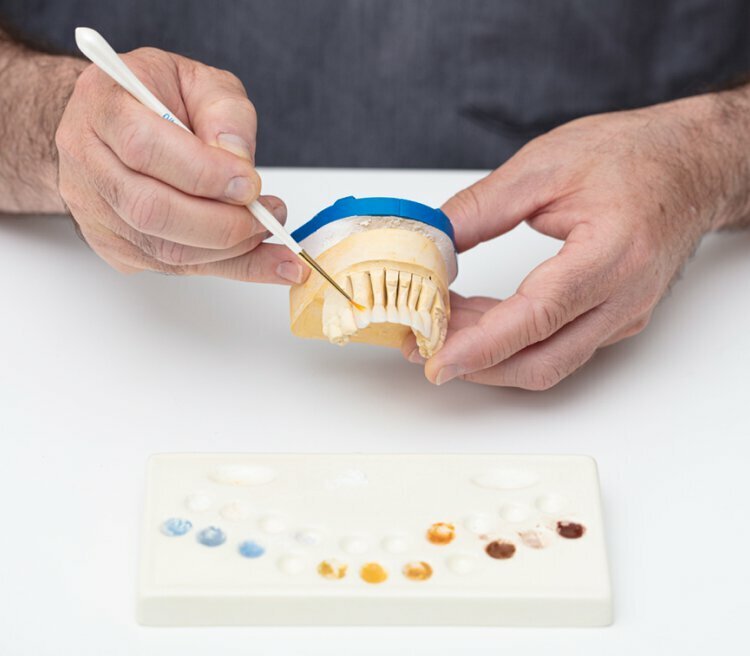
Gone are the days of gooey, uncomfortable impression trays. I use advanced digital scanning technology to create a precise 3D model of your teeth. This ensures the sleep apnea dental appliance fits snugly and comfortably. A perfect fit is crucial for holding the jaw in the correct position all night long.
3. Fabrication and Fitting
The digital data is sent to a specialized lab where your custom device is crafted. When it arrives, you come back to the office, and I ensure it fits perfectly. We will adjust the advancement level—how far forward your jaw is held—to find the “sweet spot” where snoring stops but your jaw remains comfortable.
4. Follow-Up and Adjustment
Treating sleep apnea is a journey, not a one-time event. I like to see my patients for follow-up visits to monitor their progress. We might tweak the device slightly over the first few weeks to maximize effectiveness. It is a collaborative process to ensure you are getting the best rest possible.
Health Benefits Beyond a Good Night’s Sleep
Treating sleep apnea isn’t just about feeling less groggy in the morning; it is about protecting your long-term health. When you stop breathing at night, your oxygen levels drop, causing your heart to pump harder. This puts a tremendous strain on your cardiovascular system.
By using a dental appliance to treat the obstruction, you reduce the risk of high blood pressure, heart attack, and stroke. You are also likely to see improvements in insulin sensitivity, which is vital for preventing or managing type 2 diabetes. Furthermore, quality sleep is essential for cognitive function. My patients often report that their “brain fog” lifts, their memory improves, and they feel sharper at work.
For more in-depth information on the connection between sleep and overall health, I recommend reading this article from the Sleep Foundation regarding oral appliances.
Who is the Ideal Candidate?
While I am a huge advocate for this technology, I always want to be transparent: a sleep apnea dental appliance is best suited for patients with mild to moderate obstructive sleep apnea. It is also an excellent option for those with severe apnea who simply cannot tolerate a CPAP machine.
If you have very severe apnea or central sleep apnea (where the brain fails to send signals to breathe), CPAP or other therapies might still be required. However, for the vast majority of snorers and mild apnea sufferers, oral appliance therapy is a life-changer. It is also a fantastic option for patients who have had surgery for snoring that wasn’t fully successful.
Lifestyle Changes to boost Success
As your partner in dental health, I always remind patients that a device works best when paired with healthy lifestyle choices. While the appliance mechanically opens the airway, certain habits can reduce the severity of the obstruction in the first place.
Weight management is key. Excess weight, especially around the neck, puts pressure on the throat muscles and narrows the airway. Losing even a small amount of weight can improve throat opening. Additionally, avoiding alcohol before bed is crucial. Alcohol acts as a muscle relaxant, which can make the throat tissues collapse more easily, worsening snoring and apnea.
I also suggest looking at your sleeping position. Sleeping on your back allows gravity to pull the tongue backward. Simply switching to sleeping on your side can complement the work of your dental appliance.
Maintaining Your Appliance
One of the things my patients love about their dental appliance is how low-maintenance it is. However, keeping it clean is vital for your oral health. Because it sits on your teeth all night, you want to make sure bacteria doesn’t build up.
Each morning, you should brush the appliance with a soft toothbrush and mild soap or a cleaner specifically designed for oral appliances. Avoid using hot water, as it can warp the material. When you aren’t wearing it, keep it in its protective case to prevent it from getting lost or damaged by pets—dogs seem to love chewing on these!
Taking the Next Step Toward Better Rest
Living with untreated sleep apnea is exhausting, both for you and your household. It robs you of your vitality and puts your health at risk. But you do not have to settle for sleepless nights or uncomfortable masks. Modern dentistry has provided a solution that is elegant, effective, and easy to live with.
If you are tired of being told you snore, or if you wake up feeling like you haven’t slept at all, I invite you to explore the possibility of a sleep apnea dental appliance. It is a non-invasive treatment that fits seamlessly into your life.
We can assess your airway, discuss your sleep history, and determine if this therapy is the right path for you. Imagine waking up feeling truly refreshed, full of energy, and ready to tackle the day. That is the power of a good night’s sleep, and it is something you absolutely deserve.