Understanding the Mystery of White Spots
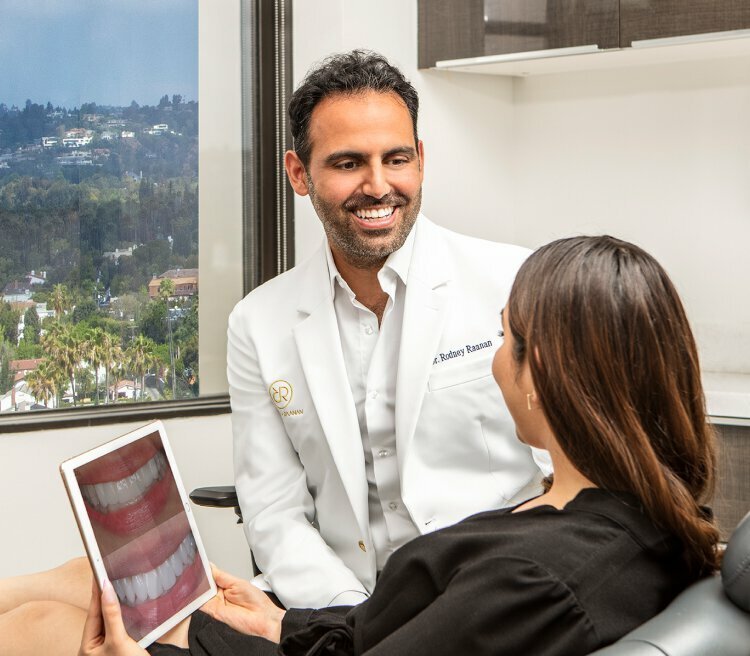
We all want that perfect, uniform smile. It is the first thing people notice when you walk into a room, and it plays a massive role in your self-confidence. However, I often see patients walk into my practice feeling self-conscious about their smiles—not because their teeth aren’t straight, but because of uneven coloring. Specifically, those chalky, milky-white marks that just won’t brush away.
If you are reading this, you are likely looking for a way to remove white spots on teeth. You might be wondering why they appeared in the first place. Did you do something wrong? Is it permanent? Let me assure you right now: there is a solution, and it is far easier and less invasive than you might think.
In my experience as a cosmetic dentist, these spots are distinct from general yellowing. They are technically known as “white spot lesions.” They happen when the mineral content of your enamel changes below the surface. This changes how light reflects off your tooth, creating that bright white “matte” look compared to the glossy translucence of the rest of your tooth. But the good news is that we don’t have to drill your tooth down to fix it. We have incredible, minimally invasive technologies called Resin Infiltration and Microabrasion.
What Causes These Spots to Appear?
Before we talk about how to fix them, it helps to know what we are dealing with. Understanding the cause helps me tailor the treatment plan specifically to your enamel. Generally, these spots come from three main sources:
- Fluorosis: This usually happens when teeth are still forming in childhood. If you consumed too much fluoride while your teeth were developing, it can create these hypocalcified spots. They are often deep and part of the tooth structure.
- Decalcification (Early Decay): This is very common. It is essentially the first stage of a cavity. The plaque bacteria create acids that strip minerals (calcium and phosphorus) from the enamel, leaving it porous and white.
- Orthodontics (Braces): This is the most common reason I see young adults in my chair. Brackets make it hard to clean teeth perfectly. When the braces come off, you might have straight teeth, but you are left with white outlines where the brackets used to be.
In fact, this is a widespread issue. According to data published in orthodontic journals, the prevalence of white spot lesions following orthodontic treatment can range anywhere from 50% to 73% of patients. That means if you have these spots after braces, you are definitely not alone!
The Old Way vs. The New Way
In the past, if you asked a dentist to remove white spots on teeth, the options were aggressive. We would have to drill out the white part and fill it with a composite bonding material, or cover the whole tooth with a veneer. While veneers are fantastic for many things, drilling into a healthy tooth just to change a color spot feels unnecessary today.
My philosophy is always “minimally invasive.” I want to save as much of your natural tooth structure as possible. That is why I rely on Microabrasion and Resin Infiltration. These techniques allow me to restore the natural beauty of your smile without the drill and fill approach.
Treatment Option 1: Enamel Microabrasion
Think of enamel microabrasion as a very sophisticated, heavy-duty exfoliation for your teeth. It is somewhat similar to microdermabrasion for your skin. This technique is often my first line of defense for spots that are very shallow and located on the outermost layer of the enamel.
How Microabrasion Works
During this procedure, I use a special mixture. It is a compound containing a mild acid (usually hydrochloric acid) mixed with an abrasive pumice. I apply this to the affected teeth and gently rub it in using a specialized rotary cup.
The goal here is to gently remove the microscopic outer layer of enamel that holds the discoloration. By removing less than a tenth of a millimeter of enamel, we can often scrub away the white spot entirely. Once the spot is gone, I polish the tooth to a high shine and apply a fluoride varnish to strengthen the enamel we just treated.
Who is this best for?
Microabrasion is fantastic for superficial stains. However, if the white spot goes deep into the tooth (like with some cases of fluorosis or deeper lesions from braces), microabrasion alone might not reach it. That is where our second, more advanced hero comes in.
Treatment Option 2: Resin Infiltration (Icon Therapy)
This is truly a game-changer in cosmetic dentistry. Resin infiltration, often known by the brand name Icon, allows me to treat white spots that are too deep for microabrasion but not severe enough to require a veneer. It is a revolutionary approach that treats the physics of light rather than just scrubbing the surface.
The Science of Light and Pores
To understand how this works, you have to understand why the spot is white. Healthy enamel is like a crystal; light passes through it. White spot lesions are porous—like a sponge. These tiny pores are filled with air or water. When light hits these air-filled pores, it scatters, causing the area to look opaque and white.
Resin infiltration works by filling those microscopic pores with a special liquid resin. This resin has the same “refractive index” as your natural healthy enamel. Once the resin soaks in and hardens, the light passes through the spot just like it does through the rest of the tooth. The white spot doesn’t just get covered up; it visually blends into the surrounding tooth structure.
The Step-by-Step Process
When you sit in my chair for this treatment, here is exactly what happens:
- Preparation: I place a barrier around your gums to protect them. We want the materials to only touch your teeth.
- Etching: I apply a specialized gel to the white spot. This cleans out the pores and opens them up, getting them ready to soak up the resin. I might repeat this step a few times to ensure we reach the depth of the lesion.
- Drying: We use a drying agent (ethanol) to remove all moisture from the pores. This is cool to watch because, for a second, the white spot often disappears completely, giving us a preview of the result.
- Infiltration: I brush on the high-fluidity resin. Capillary action pulls the resin deep into the pores of the tooth, soaking it up like a dry sponge.
- Curing: I use a special light to harden (cure) the resin, locking it inside the tooth structure forever.
- Polishing: I polish the surface so it feels smooth and looks glossy, just like natural enamel.
- Learn more about enamel health and fluorosis from the American Dental Association.
Why I Love Resin Infiltration
The success rate is phenomenal. Studies and clinical trials have indicated that resin infiltration can achieve a significant aesthetic improvement in over 90% of post-orthodontic white spot cases immediately after treatment. It is stable, it doesn’t discolor over time, and it reinforces the tooth structure.
Comparing Microabrasion and Resin Infiltration
You might be asking, “Dr. Raanan, which one do I need?” The answer often depends on the depth of the lesion. In many of my cases, I actually use a combination of both.
I often start with a mild microabrasion to remove the hard surface layer and expose the lesion. Then, I follow up with resin infiltration to treat the body of the white spot. This “one-two punch” ensures we get the most uniform, aesthetic result possible. The goal is always to create a smile that looks completely natural. I don’t want people to see your dental work; I want them to see your beautiful teeth.
Is the Procedure Painful?
This is the most common question I get, and I am happy to answer it: No. Neither microabrasion nor resin infiltration requires a needle, a shot, or drilling.
Because we are not removing sensitive tooth structure (dentin) or getting near the nerve, there is no pain. Some patients might feel a tiny bit of sensitivity to cold for a day or two after the procedure, but for the vast majority, it is entirely painless. You can go right back to work, school, or dinner immediately after you leave my office.
How Long Does It Last?
One of the best things about the resin infiltration method is its longevity. Because the resin is cured deep inside the enamel pores, it is protected from the wear and tear of chewing and brushing. It doesn’t peel off like a surface coating might.
With proper care, the results are considered permanent. The white spots do not “come back.” However, the surrounding tooth can still stain from coffee, tea, or wine, just like any other tooth. So, maintaining your results is mostly about maintaining good overall oral hygiene.
Prevention: Stopping White Spots Before They Start
While I love helping patients remove white spots on teeth, I am also a huge advocate for prevention. If you currently have braces, or if you have children with braces, vigilance is key.
The white spots from braces happen because plaque sits around the bracket for too long. The bacteria eat the sugar you consume and produce acid, which eats your enamel. To prevent this:
- Use an electric toothbrush with an orthodontic head.
- Use a water flosser daily to blast out food from between brackets.
- Ask for a high-fluoride prescription toothpaste during your orthodontic treatment.
- Avoid sipping on sugary sodas or sports drinks throughout the day.
Frequently Asked Questions
Can I just bleach my teeth to blend the spots?
This is a common misconception. Many people try whitening strips hoping to blend the color. Unfortunately, whitening usually makes the white spots brighter along with the rest of the tooth, making them stand out even more. It increases the contrast. We usually recommend treating the white spots first with infiltration, and then whitening the whole smile later if you want a brighter shade.
Is this treatment expensive?
Compared to porcelain veneers or crowns, resin infiltration and microabrasion are significantly more affordable. Since there are no lab fees for crafting porcelain, the cost is lower. It is an excellent investment for the massive improvement in aesthetics.
Can this treat brown spots too?
Sometimes. Microabrasion is actually very good at removing shallow brown or yellow stains related to fluorosis. However, resin infiltration is specifically designed for white spot lesions (hypocalcification). During your consultation, I will examine the color and depth of your stains to tell you exactly which method will work.
Your Smile, Reimagined
Living with white spots on your teeth can be frustrating. You might feel like you can’t smile fully in photos, or you might find yourself checking a mirror constantly. It is a small detail, but it has a big impact on how you project yourself to the world.
The technology we have today is truly remarkable. We have moved past the days of aggressive drilling for minor cosmetic issues. With resin infiltration and microabrasion, we can erase those chalky marks and reveal the healthy, uniform enamel underneath. It is science, art, and medicine all working together.
If you are ready to finally remove white spots on teeth and get the even, radiant smile you deserve, I invite you to come see me. Let’s evaluate your enamel and create a plan that is gentle, effective, and transformative. You are just one appointment away from a smile you will love showing off.