When I look at a smile, I see more than just teeth. I see confidence, health, and a story. For decades, a large part of that story for many people included dark, metal fillings. If you open your mouth and see gray or silver patches, you are certainly not alone. For a very long time, “silver” amalgam fillings were the standard in dental care. But dentistry has evolved rapidly, and today, we have much better options.
In my practice, I have transitioned to being a Metal Free Dentist because I believe that what we put in your mouth should mimic nature as closely as possible. It isn’t just about looking good—though that is a huge benefit—it is about the long-term structural integrity of your teeth and your overall well-being. Many of my patients ask me why I recommend replacing their old metal fillings with modern, metal-free alternatives. It is a great question, and the answer involves a mix of mechanics, biology, and aesthetics.
Understanding the “Silver” in Your Smile
To understand why we are moving away from metal, we first need to look at what those old fillings actually are. We call them “silver fillings” because of their color, but the name can be a bit misleading. These fillings are actually dental amalgam. While they do contain silver, tin, and copper, the primary ingredient is typically mercury.
Data Point: According to the FDA and various dental health organizations, dental amalgam fillings consist of approximately 50% elemental mercury by weight. This mercury is used to bind the other metals together to create a hard, durable material.
For over 150 years, this material was the go-to solution for cavities. It was strong, cheap, and easy for dentists to place. However, just because something was the standard in the 1800s doesn’t mean it belongs in a modern body. As a Metal Free Dentist, I focus on materials that bond with your tooth rather than just sitting inside it.
The Structural Problem: Why Metal Breaks Teeth
One of the biggest reasons I advise removing silver fillings has nothing to do with chemicals and everything to do with physics. Metal behaves very differently than your natural tooth enamel does. Think about a thermometer. When the temperature goes up, the mercury inside expands. When it gets cold, it contracts.
The metal fillings in your mouth do the exact same thing. Every time you sip a hot coffee or eat a scoop of ice cream, that metal filling is expanding and contracting. Your natural tooth structure also expands and contracts, but at a much different rate than metal. Over time, this constant movement puts massive stress on the walls of your tooth.
I often use the analogy of a wedge splitting a log. As the metal expands, it pushes against the remaining healthy tooth structure. Eventually, this leads to microscopic cracks and fractures. In my chair, I frequently see patients who come in with a broken tooth, and almost invariably, there is a large silver filling in the center of the break. By removing these fillings and replacing them with porcelain or composite materials, we can actually restore the strength of the tooth rather than weakening it over time.
The Health Perspective: Biocompatibility Matters
Modern dentistry is moving toward a holistic approach. We want to use materials that are “biocompatible.” This simply means the materials coexist peacefully with your body without causing adverse reactions. Porcelain and composite resins are excellent examples of biocompatible materials.
There is an ongoing debate and varying levels of concern regarding the mercury in amalgam fillings. While major health organizations state that amalgam is safe for the general population, the FDA has issued recommendations suggesting that certain groups, such as pregnant women and people with pre-existing kidney conditions, may be more susceptible to the potential effects of mercury vapor.
As a practitioner, my philosophy is simple: if we have a safer, stronger, and better-looking alternative that contains zero mercury, why wouldn’t we use it? Being a Metal Free Dentist means I offer peace of mind. You don’t have to worry about what is in your mouth; you just have to enjoy your smile.
The Invisible Leak
Another issue with silver fillings is that they don’t actually bond to the tooth. When a dentist places a metal filling, they have to carve out a shape that locks the metal in place mechanically. It sits there like a puzzle piece.
Over the years, the margins (the edges where the filling meets the tooth) begin to wear down and open up. This creates a tiny gap that you can’t clean with a toothbrush or floss. Bacteria love these gaps. They sneak in under the filling and start causing decay deep inside the tooth. I often remove an old metal filling only to find a significant amount of decay underneath that was invisible on X-rays because the metal blocked the view.
Composite and porcelain restorations are different. We use advanced bonding technology that fuses the material to your tooth. This creates a seal that prevents bacteria from getting underneath, protecting the tooth structure much more effectively than metal ever could.
Aesthetics: The Power of a Natural Look
Let’s be honest: appearance matters. In a world where we smile for selfies and video calls, nobody wants to show off a mouthful of gray metal. Silver fillings cast a shadow. Even if the filling is in the back of your mouth, it can make the whole tooth look darker. In some cases, the metal ions can leach into the dentin of the tooth, turning the tooth structure itself gray or blue—a simplistic “tattoo” effect on your tooth.
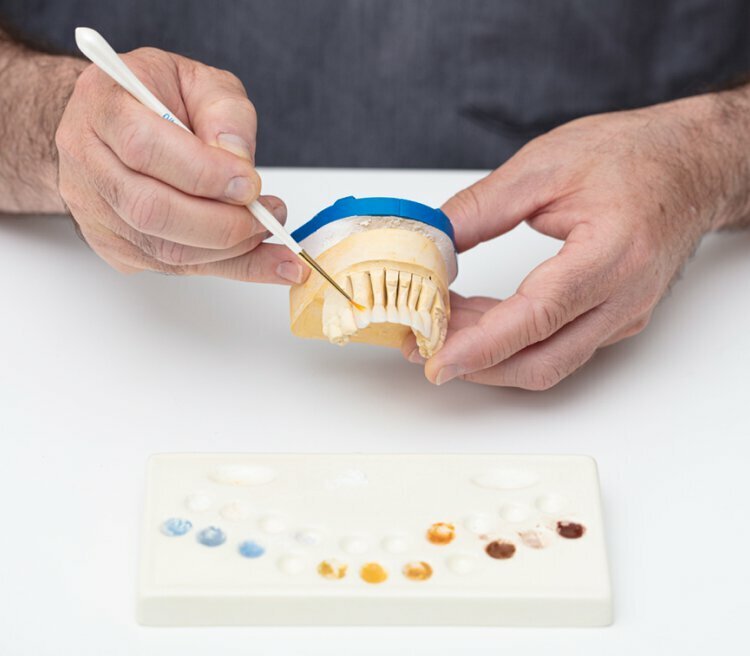
When I replace these with metal-free alternatives, the transformation is instant. We use high-quality ceramics and composite resins that can be color-matched perfectly to your natural enamel. These materials reflect light just like natural teeth do. When you laugh or speak, people will see a healthy, white smile, not a dental history chart.
Types of Metal-Free Restorations I Use
Depending on how much healthy tooth structure is left, I use different metal-free options:
- Composite Resin Fillings: These are for small to medium cavities. The material is soft when placed, sculpted to the perfect shape, and then hardened instantly with a special light.
- Porcelain Inlays and Onlays: If a cavity is too big for a filling but not big enough for a crown, I use porcelain inlays or onlays. These are incredibly strong and fit into the tooth like a perfect puzzle piece, strengthening the tooth significantly.
- All-Ceramic Crowns: When a tooth is heavily damaged, a crown covers the entire visible portion. Modern ceramic crowns are incredibly durable and look indistinguishable from real teeth.
The Safe Removal Process
If you decide to replace your silver fillings, the removal process is something I take very seriously. Because drilling out metal can generate heat and vapor, simply drilling it out like a normal cavity isn’t the best approach. I utilize specific safety protocols to ensure that you do not ingest or inhale any particulate matter during the procedure.
We use isolation techniques, such as a rubber dam, which acts like a safety net for your throat. We also use high-volume suction and plenty of water spray to keep the filling cool and capture vapors and particles instantly. My goal as a Metal Free Dentist is to ensure that your journey to a healthier smile is safe from start to finish.
Durability: Myth vs. Reality
There is a common misconception that metal is stronger than white fillings. Decades ago, this might have been true. Early white fillings were not as durable as they are today. However, material science has advanced light-years since then.
Data Point: Modern studies on dental composites and ceramics show impressive longevity. Research suggests that with proper oral hygiene, high-quality composite restorations can last 10 to 15 years or longer, rivaling the lifespan of amalgam without the associated risks of tooth fracture.
Furthermore, because we preserve more of your natural tooth when placing metal-free fillings (we don’t have to drill away healthy structure just to create a “lock” for the metal), the tooth itself remains stronger. A stronger tooth combined with a durable material is the best recipe for longevity.
Patient Experience: What You Can Expect
Patients who switch to metal-free dentistry often report that their teeth feel different—in a good way. Many patients with metal fillings complain of sensitivity to cold or hot foods. This is due to that high thermal conductivity of metal I mentioned earlier. Porcelain and resin are poor conductors of temperature, much like natural enamel. Once the metal is gone, that sharp zing you feel when drinking ice water often disappears.
Beyond the physical sensation, there is an emotional lift. It feels good to know that the heavy metals are out of your body. It feels even better to look in the mirror and see a bright, uniform smile. It is a small change that makes a massive difference in how you present yourself to the world.
Investing in Your Long-Term Health
Choosing to replace your fillings is an investment. It is an investment in the structural stability of your teeth, preventing the need for root canals or extractions caused by metal-induced cracks later in life. It is an investment in your systemic health by reducing your exposure to mercury. And, of course, it is an investment in your self-esteem.
I approach every case individually. We don’t just rush in and remove everything at once without a plan. We examine your teeth, check the condition of the current fillings, and prioritize which ones need attention first. Usually, we start with fillings that show signs of leaking, cracking, or decay.
A Brighter, Healthier Future
The era of metal in dentistry is coming to a close, and I am proud to be at the forefront of this shift. My commitment to being a Metal Free Dentist stems from a desire to provide the highest standard of care available. Technology has given us materials that are beautiful, strong, and bio-friendly. There is simply no reason to settle for anything less.
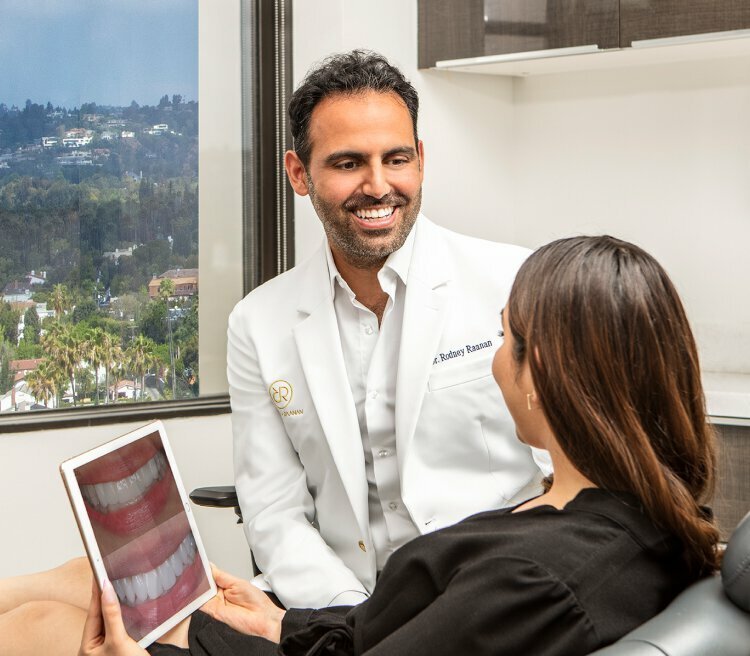
If you have silver fillings and are concerned about cracks, aesthetics, or the mercury content, I invite you to come in for a consultation. We can take a close look at your teeth using intraoral cameras so you can see exactly what I see. Together, we can create a plan to restore your smile to its natural strength and beauty.
Your smile is one of your greatest assets. It deserves to be treated with materials that honor your health and enhance your natural beauty. By choosing metal-free dentistry, you are choosing a modern, proactive path to wellness that will keep you smiling confidently for years to come.