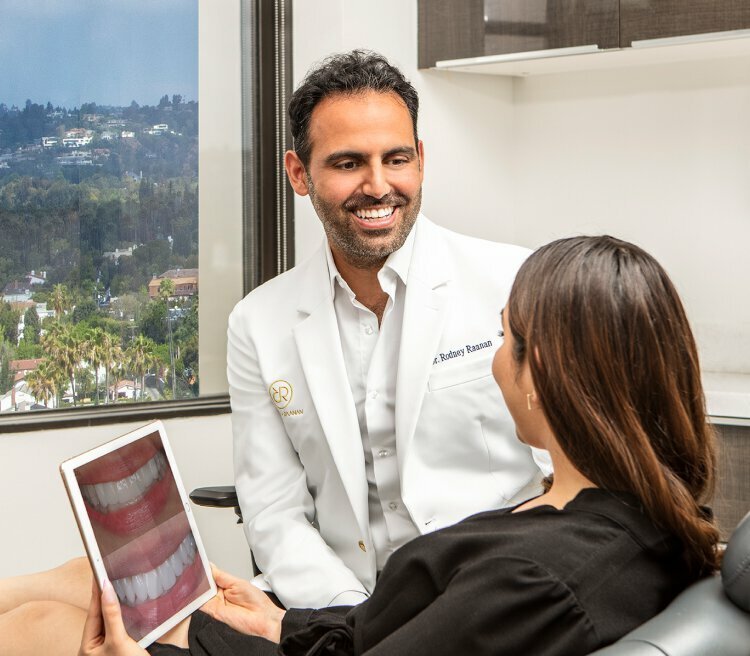
Have you ever stopped to think about the connection between your teeth and the rest of your body? For a long time, dentistry and general medicine were treated as two completely separate worlds. However, as we learn more about human biology, we are realizing that the mouth is truly the gateway to total body wellness. This understanding is the foundation of what I practice every day: Biocompatible Dentistry.
When I treat my patients, I am not just looking at a broken tooth or a cavity. I am looking at the whole person. My goal is to ensure that the materials I place in your mouth not only fix the dental problem but also work in harmony with your immune system and overall biology. We want to use materials that your body loves, rather than materials it merely tolerates.
What Exactly Is Biocompatible Dentistry?
To put it simply, biocompatible dentistry is an approach that focuses on how dental materials interact with the human body. The word “biocompatible” means that a material can exist in the body without causing harm, toxicity, or an immune response. It is “life-friendly.”
In the past, dentistry often relied on materials simply because they were strong or easy to use. While durability is important, we now know that chemical composition matters just as much. Your mouth is a harsh environment. It is wet, the temperature changes constantly, and there is a lot of chewing force. Materials can break down over time, and when they do, we need to be sure that what is being released isn’t harmful to your system.
My philosophy focuses on using materials that are non-toxic, non-inflammatory, and highly aesthetic. By choosing biocompatible options, we reduce the stress on your immune system and promote better long-term health.
The Problem with Traditional Materials
To understand why biocompatible dentistry is so important, we have to look at what has been used in the past—and what is still used in many offices today. The most common offender is the “silver” filling, also known as dental amalgam.
Despite being called silver fillings, these restorations are actually made of about 50% mercury. Mercury is a heavy metal that is known to be toxic to the nervous system. While the debate continues in some circles about the safety of amalgam, I choose to take a safety-first approach. Why take the risk of putting a known toxin in your body when we have better, safer alternatives?
The Galvanic Effect
There is another issue with metal fillings that many people don’t know about: oral galvanism. If you have different types of metals in your mouth—for example, a gold crown on one tooth and a silver filling on another—your mouth essentially becomes a battery. The saliva acts as an electrolyte, creating an electrical current between the metals.
This “battery effect” can cause metallic tastes, unexplained pain, and even interference with the body’s natural energy flow. By moving toward metal-free, biocompatible dentistry, we eliminate these electrical currents and create a neutral environment in your mouth.
Materials Your Body Loves: Ceramics and Composites
So, if we aren’t using metal, what are we using? The advancements in dental technology have given us incredible materials that mimic natural tooth structure almost perfectly.
High-Grade Porcelains and Ceramics
Porcelain is one of the most biocompatible materials available. It is chemically inert, meaning it does not react with your body chemistry. It won’t rust, corrode, or release toxins. Because it is so stable, gum tissue usually remains very healthy around porcelain restorations. You won’t see that angry, red, inflamed gum line that often appears around metal crowns.
BPA-Free Composites
For smaller cavities, we use composite resin bonding. However, not all composites are created equal. Some standard resins contain Bisphenol A (BPA) or other plastic byproducts that can mimic hormones in the body. In my practice, I am meticulous about selecting composite materials that are free from BPA and other harsh chemicals. These materials bond directly to the tooth, allowing us to preserve more of your natural tooth structure compared to old-fashioned metal fillings.
The Link Between Allergies and Dental Materials
You might be surprised to learn how many people walk around with low-level allergic reactions to their dental work without realizing it. Chronic inflammation, fatigue, or gum irritation can sometimes be traced back to a material sensitivity.
Data Point 1: According to research regarding metal hypersensitivity, it is estimated that approximately 10% to 15% of the general population has a hypersensitivity to metal, with nickel being the most common allergen. Since many older dental alloys contain nickel and other non-precious metals, this is a significant concern for overall health.
This is why we don’t guess—we test. For patients with a history of allergies or sensitivities, I can recommend biocompatibility testing. This involves a simple blood test that analyzes how your immune system reacts to thousands of different dental materials. The results give us a customized list of materials that are safe for your specific biology.
Aesthetic Benefits: Health That Looks Beautiful
One of the best things about biocompatible dentistry is that what is good for your health is also good for your smile. Metal-free materials look like natural teeth. There is no gray shadow at the gum line and no dark spots in your molars.
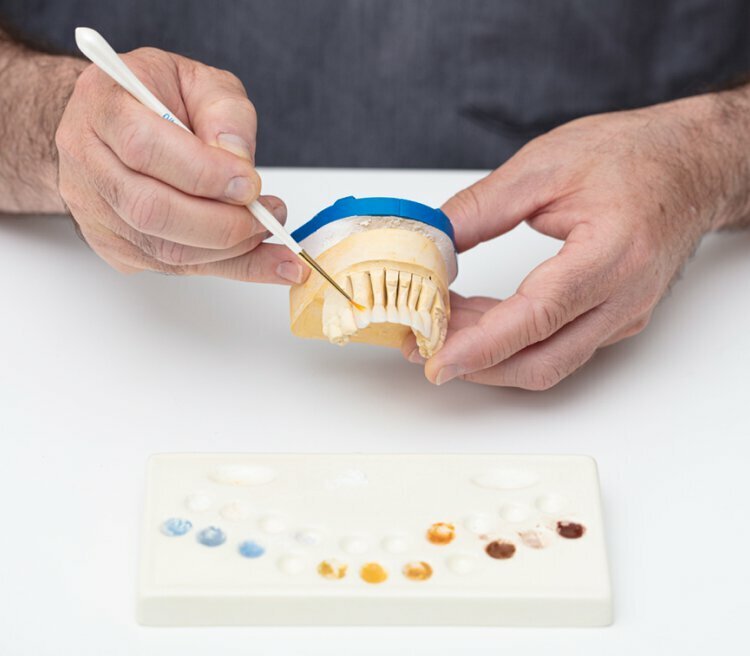
Ceramics interact with light in the same way that natural tooth enamel does. They have translucency and depth. When I restore a smile using biocompatible porcelain veneers or crowns, the result is vibrant and life-like. It is the perfect marriage of cosmetic artistry and holistic health safety.
The Safe Removal Protocol
If you currently have metal fillings, you might be thinking about having them replaced. This is a great step for your health, but it must be done correctly. Simply drilling out a mercury filling without precautions can release a massive amount of mercury vapor, which you and the dental staff could inhale.
I strictly adhere to safe removal protocols. This process creates a safety barrier between you and the toxic material. We use isolation techniques, high-volume air filtration, and specialized suction to ensure that the old material is removed without exposing your body to mercury vapor or particles. It is about protecting you during the transition to better health.
For more detailed information on the importance of biological safety in dentistry, you can read more from the International Academy of Oral Medicine and Toxicology (IAOMT), which sets the global standard for these procedures.
Durability and Longevity
A common myth is that holistic or biocompatible materials aren’t as strong as metal. Decades ago, this might have been true, but today, the science tells a different story. Modern ceramics, such as Zirconia and Lithium Disilicate, are incredibly tough.
Data Point 2: Studies on the longevity of dental restorations have shown that modern ceramic inlays and onlays have a success rate of over 90% after 10 years, rivaling and often surpassing traditional metal restorations when placed with proper bonding techniques.
Because these materials are bonded to the tooth rather than just packed in (like amalgam), they actually restore the structural integrity of the tooth. A tooth with a large metal filling is prone to cracking over time because the metal expands and contracts with heat and cold. Biocompatible ceramic expands and contracts at a rate very similar to natural teeth, reducing the risk of fractures.
Whole-Body Health and Gum Disease
Biocompatible dentistry also places a huge emphasis on gum health. We know that periodontal disease (gum disease) is linked to heart disease, diabetes, and stroke. The bacteria involved in gum infections can travel through the bloodstream to other parts of the body.
By using materials that do not irritate the gums, we make it easier for you to maintain good oral hygiene. Porcelain surfaces are very smooth, making it harder for plaque and bacteria to stick to them compared to pitted metal or older resins. This helps keep inflammation down and supports your systemic health.
The Emotional Impact of a Healthy Smile
We cannot ignore the psychological aspect of dentistry. When you know that the materials in your mouth are safe, it brings a peace of mind that is invaluable. Furthermore, when your smile looks natural and beautiful, your confidence skyrockets.
I have seen patients who used to hide their smiles because of dark metal fillings. After transitioning to biocompatible materials, their whole demeanor changes. They smile wider, laugh more freely, and feel better about their overall wellness journey. This positive mental state is a crucial part of being healthy.
A Personalized Approach to Your Care
No two patients are the same. What works for one person might not be the best choice for another. That is why my approach starts with listening. I want to know your health history, your concerns, and your goals.
If you are someone who tries to eat organic food, exercises, and avoids toxins in your home environment, your dental care should align with that lifestyle. Biocompatible dentistry fills that missing piece of the puzzle. It ensures that your efforts to live a healthy life aren’t being undermined by the very things meant to repair your teeth.
Looking to the Future
The field of dentistry is moving in a bio-friendly direction, and I am proud to be at the forefront of this shift. We are constantly researching new materials and techniques that are even less invasive and more in tune with the body’s natural healing abilities.
From ozone therapy to remineralization protocols, the goal is always to preserve as much of you as possible. We want to intervene only when necessary and, when we do, to use the highest quality, most compatible supplies available.
Your Next Steps Toward a Toxin-Free Mouth
Choosing a dentist is one of the most important health decisions you can make. If you have been suffering from unexplained symptoms, have concerns about old metal fillings, or simply want to ensure your future dental work is safe and natural-looking, biocompatible dentistry is the answer.
I invite you to experience the difference of a practice that views your teeth as an integral part of your whole-body health. Together, we can create a plan to restore your smile using materials that are strong, beautiful, and, most importantly, materials that your body loves.
Let’s build a foundation for health that lasts a lifetime. Your body works hard to keep you healthy; your dental materials should do the same.