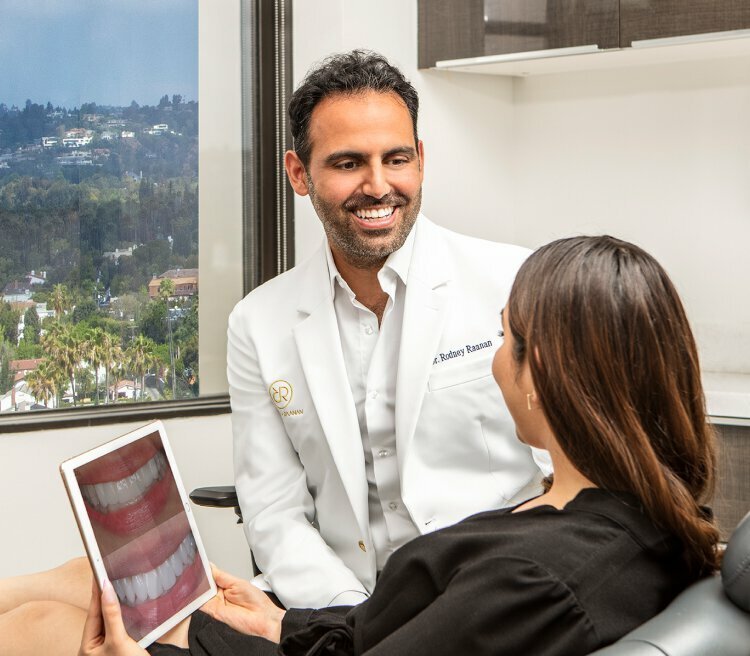
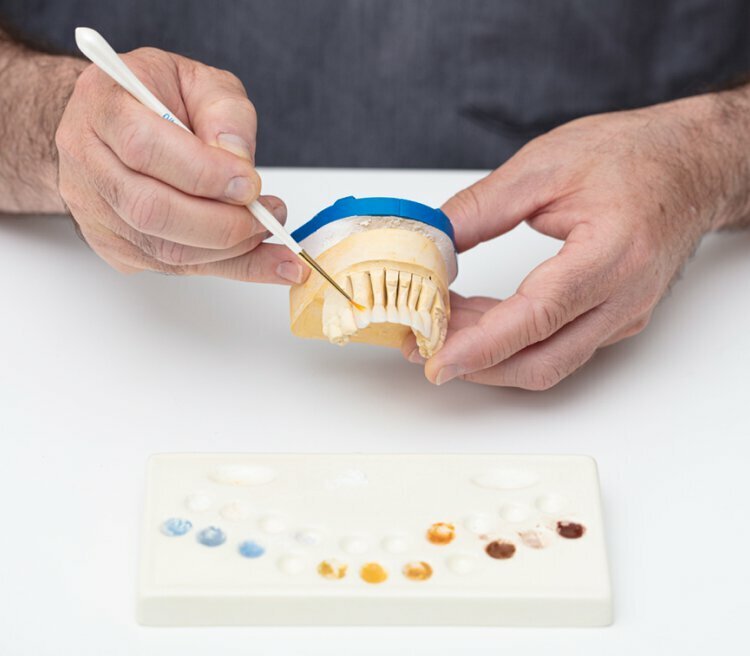
Welcome back to the blog! I am so excited to talk about one of my favorite topics: maintaining that stunning, confident smile we have created together. Whether you have just received your new smile makeover or you have had them for a few years, knowing how to care for them is the secret to longevity. I often tell my patients that getting veneers is like buying a luxury sports car; it looks incredible and performs beautifully, but you still need to change the oil and wash it regularly to keep it in top condition.
I understand that you want your smile to sparkle for as long as possible. Porcelain veneers are incredibly durable and stain-resistant, but they are not indestructible. The underlying tooth structure and your gums still need the same love and attention as before—perhaps even a little more. In this comprehensive guide, I am going to walk you through everything you need to know about maintenance, specifically focusing on how to clean veneers properly to ensure they last a lifetime.
Why Your Cleaning Routine Matters
Before we dive into the specific techniques, let’s talk about why we are doing this. Veneers are thin shells of porcelain bonded to the front of your teeth. While the porcelain itself cannot get cavities, the tooth structure behind it certainly can. If a cavity forms at the margin (the edge where the veneer meets the tooth), it can compromise the entire restoration. Furthermore, gum health is paramount. If you develop gum disease, your gums may recede, exposing the root of the tooth and the edge of the veneer, which can affect the aesthetic appearance we worked so hard to achieve.
According to clinical research, porcelain veneers have a high success rate, with studies showing a survival rate of approximately 91% over 10 years when properly cared for. This data point highlights that with the right habits, your investment is secure for the long haul. My goal is to make sure you fall into that successful percentage.
The Golden Rules of Brushing Veneers
When patients ask me how to clean veneers, the conversation always starts with brushing. You might think you can just scrub away like you always have, but there are some nuances you need to be aware of to protect the glaze on the porcelain.
Choose the Right Toothbrush
First and foremost, toss out any hard-bristled toothbrushes. You should strictly use a soft-bristled manual toothbrush or an electric toothbrush with a pressure sensor. Hard bristles can cause micro-scratches on the surface of the veneer over time. While porcelain is tough, we want to maintain that glass-like smoothness that reflects light so beautifully. Additionally, hard brushing can cause your gums to pull away from the teeth, leading to that recession we want to avoid.
Select the Correct Toothpaste
This is a critical step that many people overlook. You must avoid abrasive toothpaste. Many “whitening” toothpastes contain harsh abrasives like baking soda or silica that are designed to scrub stains off natural enamel. However, on veneers, these abrasives act like sandpaper. They can dull the shine of the porcelain, making them look matte and lifeless over time.
Instead, look for non-abrasive gel toothpastes. If you are unsure, you can check the RDA (Relative Dentin Abrasivity) value of your toothpaste. We generally want to keep this number low. A good rule of thumb is to look for products labeled as “cosmetic dentistry safe” or simply stick to gentle, fluoride-based gels.
My Recommended Brushing Technique
When brushing, angle your bristles at a 45-degree angle toward the gum line. This helps clean the sulcus—the small pocket between your tooth and gum—without irritating the soft tissue. Use gentle, circular motions rather than sawing back and forth. This technique is actually standard for all teeth, but it is especially important when you have veneers to keep the margins clean.
For a detailed breakdown of proper brushing angles, the American Dental Association offers excellent visual guides that align with the advice I give in my practice.
Mastering the Art of Flossing
If there is one habit I wish all my patients would embrace fully, it is flossing. Flossing is non-negotiable when you have veneers. It is the only way to remove plaque and debris from between the teeth and, more importantly, from the gum line where your toothbrush cannot reach.
Many patients worry that flossing might pull a veneer off. I want to reassure you: if your veneers are bonded correctly (which, as an expert cosmetic dentist, I ensure they are), flossing will not dislodge them. The bond is incredibly strong.
String Floss vs. Water Flossers
I recommend using a waxed dental floss. The wax allows the floss to glide smoothly between the contact points of your teeth without shredding or getting caught on the edges of the veneer. When you floss, wrap the string in a “C” shape around the tooth and gently move it up and down, going slightly beneath the gum line. Do not snap the floss down, as this can damage the gum tissue.
Water flossers are also a fantastic addition to your routine. They use a pressurized stream of water to flush out bacteria and food particles. While they do not replace traditional flossing entirely (you still need the mechanical scraping action of string floss), they are excellent for massaging the gums and keeping the areas around your veneers pristine. I often suggest my patients use a water flosser in the shower or right before bed for that extra level of cleanliness.
Polishing and Professional Care
Even with the best home routine, you still need to see me and our hygienist regularly. Professional cleanings are vital for removing tartar (hardened plaque) that you cannot brush away. However, cleaning veneers requires a specific touch.
What We Do Differently
When you come in for your hygiene appointment, we treat your veneers with special care. We use specific polishing pastes that are non-abrasive and designed to restore the luster of porcelain. We avoid using heavy-duty ultrasonic scalers directly on the veneer margins to prevent any chipping or debonding.
We also check the integrity of your bite. Sometimes, your bite can shift slightly over time. If a specific tooth is taking too much pressure, it can put the veneer at risk of cracking. By catching these minor shifts early, we can make small adjustments to ensure the forces are balanced across your entire arch.
Diet and Lifestyle: Keeping Them Bright
One of the best things about porcelain veneers is their stain resistance. Unlike natural tooth enamel, which is porous and absorbs colors easily, high-quality porcelain is very dense and glass-like. However, this does not mean they are entirely immune to surface staining, especially around the edges where the bonding cement is located.
Foods and Drinks to Monitor
To keep your smile looking its best, try to moderate your intake of intensely pigmented foods and beverages. This includes:
- Red wine
- Coffee and black tea
- Soy sauce and balsamic vinegar
- Curry and turmeric-heavy dishes
- Berries (blueberries, blackberries)
I am not saying you have to give these up forever! I certainly enjoy my morning coffee. However, I recommend rinsing your mouth with water after consuming them. This simple step neutralizes the pH in your mouth and washes away the pigments before they have a chance to settle.
The “Tools” You Should Never Use
Your teeth are jewels, not tools. This is a mantra I repeat often. Please do not use your veneered teeth to open packages, tear off clothing tags, or crack open nuts. Porcelain is strong under compression (biting down), but it has lower tensile strength (twisting or pulling). Using your teeth as tools is the fastest way to chip or fracture a veneer.
Additionally, avoid chewing on hard objects like ice, pens, or fingernails. These habits create micro-trauma. While you might not see the damage immediately, repeated stress can cause the porcelain to fail unexpectedly.
Protecting Your Investment at Night
Did you know that many people grind or clench their teeth while they sleep without even realizing it? This condition, known as bruxism, can be devastating for both natural teeth and veneers. The force exerted during sleep grinding is significantly higher than normal chewing forces.
Data Point #2: Studies suggest that sleep bruxism generates bite forces ranging from 200 to over 300 pounds of pressure per square inch. That is an immense amount of stress for any material to withstand night after night.
Because of this, I almost always recommend a custom-made nightguard for my veneer patients. This simple acrylic appliance acts as a shock absorber. It prevents your upper and lower teeth from touching, distributing the force evenly and protecting the porcelain from chipping or cracking. Think of it as an insurance policy for your smile. It is a small step that makes a massive difference in the longevity of your restoration.
Addressing Sensitivity and Gum Health
After getting veneers, it is normal to experience some sensitivity to hot and cold temperatures for a few weeks. However, if this persists, it could be a sign of a bite imbalance or an issue with the nerve. Good oral hygiene helps mitigate this. By keeping the gums healthy, you prevent gum recession, which is a leading cause of long-term sensitivity.
If you notice your gums look red, swollen, or bleed when you floss, you may be developing gingivitis. This is the body’s response to plaque buildup. Do not stop brushing or flossing if you see bleeding; in fact, you need to clean that area more thoroughly (but gently) to remove the bacteria causing the inflammation. If the issue persists for more than a week, please call the office so we can take a look.
The Best Alcohol-Free Mouthwash
Adding a mouthwash to your routine is a great idea, but the type of mouthwash matters. I strongly advise against using mouthwashes that contain alcohol. Alcohol can soften the bonding composite that holds the veneer to your tooth. Over many years, this could potentially weaken the bond or cause the margin to stain more easily.
Instead, choose an alcohol-free, therapeutic mouthwash. These are effective at killing bacteria and freshening breath without the harsh drying effect of alcohol. Look for products that contain fluoride to help protect your natural tooth structure from decay.
Summary of Your Daily Routine
To make this easy to remember, here is a quick checklist for your daily veneer care:
- Morning: Brush for two minutes with a soft-bristled toothbrush and non-abrasive toothpaste. Rinse with water.
- After Meals: Rinse your mouth with water to reduce acidity and wash away food particles.
- Evening: Floss thoroughly using the C-shape technique. Use a water flosser if you have one. Brush for two minutes.
- Night: Pop in your custom nightguard before you go to sleep.
A Partnership for a Lifetime of Smiles
I view our relationship as a partnership. My job is to craft a smile that fits your face and personality perfectly, using the best materials available. Your job is to maintain that artwork at home. Learning how to clean veneers is not difficult, but it does require consistency.
I want you to enjoy your new smile without worry. Go ahead and laugh loudly, smile broadly in photos, and feel confident in social situations. With the right care—soft brushing, daily flossing, and wearing your nightguard—your veneers will continue to look as radiant as the day we placed them. If you ever have questions about a product or a technique, never hesitate to ask during your next visit. We are here to help you shine!