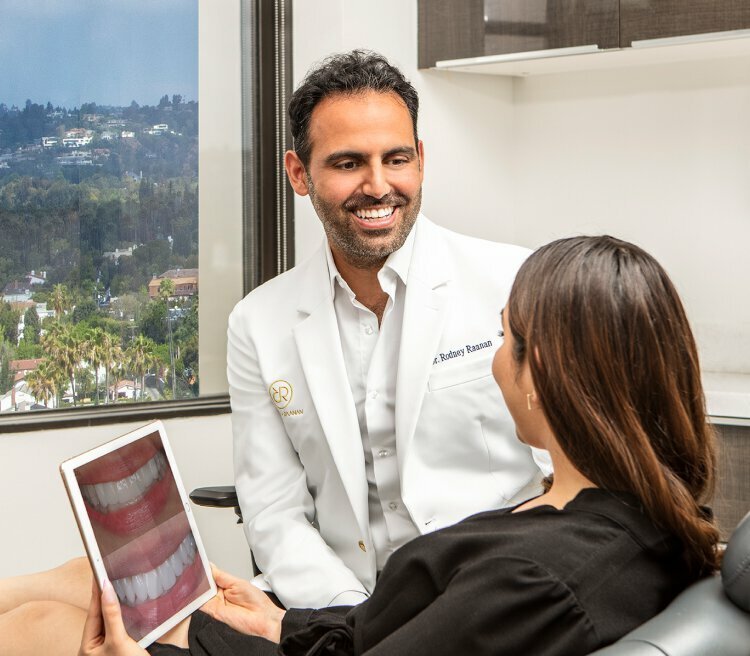
When patients walk into our Beverly Hills practice, I often see the same look in their eyes. It is a mix of excitement and hesitation. They are excited because they have seen the incredible transformations we achieve here. They know that a new smile can change their entire face, boost their confidence, and even shift how the world perceives them. However, the hesitation usually comes from one specific place: the cost.
I completely understand. Investing in yourself is a big decision. One of the most common questions I get asked during a consultation is, “Does insurance cover veneers?” It is a valid question. We are used to our medical and dental insurance covering our health needs, so it is natural to hope it covers our aesthetic desires, too.
Today, I want to walk you through exactly how Cosmetic Dentistry Insurance works, why there is often confusion between “medical need” and “cosmetic want,” and how you can financially plan for the smile of your dreams without breaking the bank. My goal is to be transparent and helpful so you can make the best choice for your oral health and your happiness.
The Short Answer: Is It Covered?
Let’s start with the basics. In the vast majority of cases, dental insurance categorizes porcelain veneers as an elective cosmetic procedure. Because they are elective—meaning you are choosing to have them to improve the look of your teeth rather than to fix a disease—most standard dental plans do not cover the cost.
Insurance companies are businesses. They operate based on risk and necessity. Their primary goal is to pay for procedures that maintain your oral health, such as cleanings, fillings for cavities, and root canals for infected teeth. Since you can physically function with stained or chipped teeth, insurance providers often argue that fixing them is a luxury, not a necessity.
However, the conversation doesn’t end there. There are nuances to this rule. I have seen situations where patients received partial benefits because of the specific nature of their dental history. It is not black and white, and understanding the grey areas can sometimes work in your favor.
Understanding the “Medically Necessary” Exception
While Cosmetic Dentistry Insurance is rarely a standalone product, your standard dental benefits might kick in if there is a structural reason for the veneer. We need to look at the difference between a purely cosmetic desire and a restorative necessity.
If you have a healthy tooth that is just slightly crooked or yellow, placing a veneer on it is considered 100% cosmetic. However, let’s look at a different scenario. What if you were in an accident and broke a tooth? What if a tooth has had extensive decay and a large filling that is now failing?
In these cases, the tooth requires restoration to function correctly. If a veneer is used to restore the strength and structure of a damaged tooth, we can sometimes submit the claim as a restorative procedure. In insurance codes, this might be classified similarly to a crown.
Data Point: The Insurance Cap Reality
It is important to manage expectations regarding how much insurance will actually pay, even if they approve the claim. According to the National Association of Dental Plans, only about 50% of dental PPO plans cover major restorative care, and they almost always have an annual maximum. For most people, this annual maximum is between $1,000 and $1,500. considering high-quality veneers are an investment, insurance might help dent the cost, but it will rarely cover the full amount of a complete smile makeover.
The Difference Between Veneers and Crowns
To navigate your benefits, it helps to speak the language of dentistry. I often explain to my patients that while veneers and crowns can look similar from the outside, they serve different purposes.
- Veneers: These are thin shells of porcelain that bond to the front of the tooth. They are conservative and require less removal of your natural tooth structure. They are primarily for aesthetics.
- Crowns: These cover the entire tooth like a cap. They are used when a tooth is severely damaged or has had a root canal.
Why does this matter for your wallet? Insurance is far more likely to cover a crown than a veneer. If your front teeth are heavily damaged, we might discuss whether crowns are a better option for you, not just for structural reasons, but because your insurance benefits might actually apply. This is why a comprehensive exam at our office is the first step. I need to see the condition of your enamel to give you honest advice.
Financing Your Dream Smile: You Have Options
If insurance says “no,” does that mean you should give up on your dream smile? Absolutely not. In my experience, very few of our patients rely on insurance to pay for their aesthetic work. Instead, they treat it like any other major life investment—like buying a car or planning a wedding. They budget for it, and they utilize smart financing tools.
We want to make world-class dentistry accessible. Here are the most effective ways I have seen patients manage the investment.
1. Third-Party Financing Plans
This is the most popular method. Companies like CareCredit or LendingClub are specifically designed for healthcare expenses that insurance doesn’t cover. They work like credit cards but with better terms for medical needs.
Many of these plans offer introductory periods with 0% interest. This means you can get your veneers today and pay them off over 12 to 24 months without paying an extra dime in interest, as long as you make your minimum payments. It breaks a large sum down into a manageable monthly bill that fits into your household budget.
2. Flexible Spending Accounts (FSA) and Health Savings Accounts (HSA)
This is a strategy that many people overlook. If you have an FSA or HSA through your employer, you are sitting on a powerful tool. These accounts allow you to pay for medical expenses using pre-tax dollars. This essentially saves you roughly 30% on the cost (depending on your tax bracket) because you aren’t paying income tax on that money.
Generally, FSAs and HSAs can be used for dental procedures that treat a disease or restore function. While they typically exclude purely cosmetic procedures (like teeth whitening), veneers can sometimes qualify if we can prove they are correcting a defect or damage. It is worth checking with your benefits administrator.
3. In-House Payment Arrangements
We believe in building relationships. Sometimes, we can work with patients to structure payment schedules that align with the phases of their treatment. Since a smile makeover happens in stages—consultation, temporaries, and final placement—expenses can sometimes be spread out over the course of the treatment timeline.
Why “Cheap” Veneers Are More Expensive in the Long Run
When looking at the cost, I urge you to look at the value. I have seen too many patients come to me needing “revision work.” They went to a dentist offering a bargain-basement price, and the results were bulky, opaque, or fell off within a year.
When you pay for high-quality veneers, you aren’t just paying for the porcelain. You are paying for:
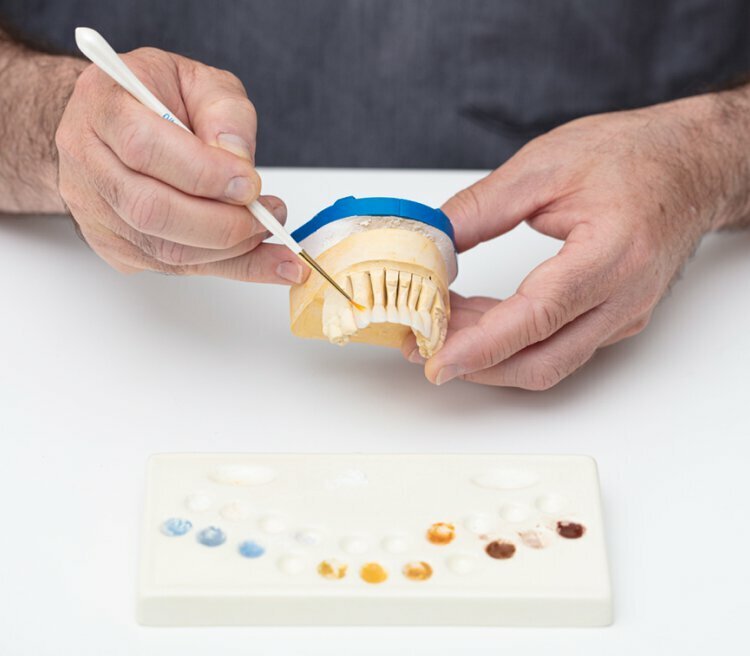
- The Ceramist: We work with master ceramists who hand-layer the porcelain to mimic the translucency and texture of natural teeth.
- The Materials: High-grade porcelain is durable and stain-resistant.
- The Expertise: My job is to ensure your bite is balanced so you don’t chip your new teeth.
Data Point: The Longevity Factor
When done correctly, porcelain veneers are incredibly durable. Studies and clinical data suggest that with proper care, porcelain veneers have a survival rate of over 90% after 10 years, and many last up to 15 or 20 years. When you divide the total cost by the number of days you will enjoy your smile over 15 years, the daily cost is often less than a cup of coffee. That is the true return on investment.
The Hidden Costs of Waiting
I also like to remind patients that there is a cost to waiting. Dental issues rarely get better on their own. What might be a simple cosmetic fix today could turn into a complex restorative issue five years from now.
For example, if you have gaps in your teeth, that can lead to shifting and bite misalignment. If you have worn-down teeth from grinding, you are losing protective enamel that you can never grow back. Addressing these issues now with veneers can actually protect your teeth from further damage, potentially saving you from expensive root canals or extractions down the road.
Navigating the Insurance Maze Together
I know insurance policies are confusing. The paperwork is dense, and the terms are complicated. That is why my team is here. When you come in for a consultation, we don’t just look at your teeth; we look at your coverage.
We will perform a complimentary benefits check. We will contact your insurance provider on your behalf to see if there is any clause regarding Cosmetic Dentistry Insurance or restorative benefits that we can utilize. We will fight to get you every dollar of coverage you are entitled to.
For more detailed information on how dental procedures are categorized and what constitutes a “medically necessary” procedure, I recommend reading this guide from the American Dental Association (ADA) regarding veneers. It provides a neutral, third-party look at the procedure which aligns with the standards we uphold.
Investing in Confidence
Ultimately, the question “Does insurance cover veneers?” usually has a complicated answer, but the answer to “Is it worth it?” is almost always a resounding yes. I have seen patients who stopped hiding their mouths when they laughed. I have seen them go for job promotions they were previously too shy to apply for. I have seen them start dating again with renewed vigor.
You cannot put a price tag on self-esteem. Your smile is the first thing people notice about you. It is your greeting card to the world. While we will do everything in our power to maximize your benefits and help you find a financing plan that fits your life, I encourage you to view this not as a cost, but as an investment in your future.
If you are ready to explore the possibilities and get a clear, personalized breakdown of the costs and financing options available to you, I invite you to schedule a consultation with me. Let’s sit down, look at your unique situation, and map out a path to the smile you deserve. We can handle the paperwork; you just focus on getting ready to smile.