Everyone deserves a smile they feel proud to show off. In my experience as a cosmetic dentist, I have met countless patients who dream of a brighter, more symmetrical smile but hesitate because they are afraid of the dental drill. It is a valid concern. The idea of removing healthy tooth structure can be scary. However, advancements in cosmetic dentistry have given us a fantastic solution that often requires no drilling at all. These are known as prepless veneers.
You may have heard of brand names like Lumineers, but the category of prepless veneers goes far beyond just one brand. Today, I want to guide you through everything you need to know about this minimally invasive option. My goal is to help you decide if this path is the right one for your specific dental needs.
What Exactly Are Prepless Veneers?
To understand prepless veneers, we first have to look at traditional porcelain veneers. Traditional veneers are thin shells of porcelain that cover the front of your teeth. To make them fit without looking bulky, a dentist usually has to shave down a small amount of your natural tooth enamel. While effective, this process is irreversible.
Prepless veneers are different. As the name suggests, they require little to no preparation of your natural teeth. Because they are incredibly thin—often comparable to the thickness of a contact lens (about 0.2 mm to 0.3 mm)—I can bond them directly over your existing tooth structure. This means we preserve your natural enamel, making the procedure much less invasive and, in some cases, even reversible.
When patients come to my office asking for a “smile makeover” without the pain or the drill, this is often the solution we discuss. It is a way to correct discoloration, chips, and gaps while keeping the integrity of your natural tooth intact.
The Major Differences: Traditional Veneers vs. Prepless Veneers
When you are sitting in the dental chair trying to make a decision, it helps to have a clear comparison. Here is how I break it down for my patients:
1. Enamel Removal
With traditional veneers, I typically remove a layer of enamel. This is necessary to create space for the porcelain so your teeth don’t look thick. With prepless veneers, I generally do not touch the enamel. We work with what you have, adding a very thin layer to perfect the shape and color.
2. Anesthesia and Comfort
Because traditional veneers involve drilling, local anesthesia (shots) is almost always required to prevent sensitivity. Since prepless veneers do not involve drilling into the sensitive parts of the tooth, most of my patients do not need any shots or anesthesia at all. It is a painless experience for the vast majority of people.
3. Reversibility
This is a big factor for many people. Once enamel is removed for traditional veneers, it does not grow back. You will always need veneers or crowns on those teeth. Prepless veneers are considered a reversible procedure in many cases. If you decided to remove them later, your underlying teeth are still healthy and intact.
Are You the Ideal Candidate for Prepless Veneers?
While I love the technology behind prepless veneers, I have to be honest: they are not for everyone. As an expert in cosmetic dentistry, my job is to ensure the final result looks natural, not bulky or fake. Because we are adding material to the tooth without taking anything away, the ideal candidate usually has specific characteristics.
You Might Be a Great Candidate If:
- You Have Small Teeth: If your teeth are naturally small or you have spacing issues (gaps), prepless veneers are excellent. They add volume to close gaps and lengthen short teeth without making them look oversized.
- You Have Minor Staining: If you have teeth that are slightly discolored and whitening treatments haven’t worked, these veneers can mask the color effectively.
- Your Teeth Slant Inward: If your teeth are positioned slightly inward (retroclined), placing a veneer on top brings them out to a proper alignment, creating a broader, fuller smile.
- You Have Chipped Edges: Minor chips and wear can be smoothed out seamlessly with this technique.
When Prepless Might Not Work
If you have very large teeth, severe crowding, or teeth that flare forward, adding a layer of porcelain on top will only make the problem look worse. In those cases, “prepless” would result in a bulky, “horsey” appearance. In those scenarios, I usually recommend traditional veneers or Invisalign first to correct the alignment.
The Step-by-Step Procedure: What to Expect
One of the reasons my patients love this option is the speed and ease of the process. Unlike other dental treatments that can drag on for months, prepless veneers are usually completed in just two visits.
Visit 1: The Consultation and Design
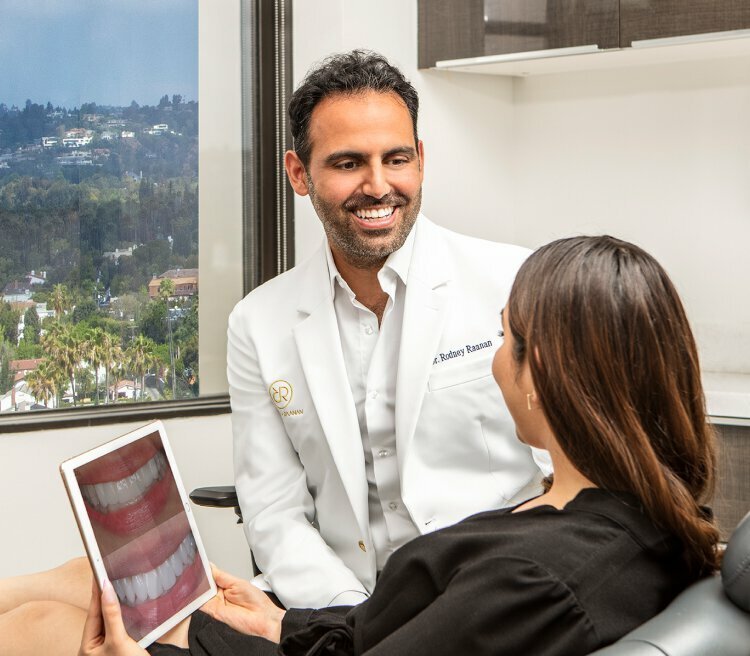
During our first meeting, we talk about your goals. I want to know exactly what you envision for your smile. We take high-resolution photos and digital impressions (molds) of your teeth. There is no grinding or drilling. We select the perfect shade of white that looks bright yet natural for your skin tone.
Visit 2: The Transformation
When you return, your custom-made veneers are ready. I will place them on your teeth to check the fit and how they look when you smile. This is the “try-in” phase. If we both love the look, I proceed to bond them permanently to your teeth. The bonding process is strong and durable. We polish them up, and you walk out with a brand-new smile that same day.
Durability: How Long Do They Last?
A common misconception is that because prepless veneers are thin, they must be fragile. This is actually not true. The porcelain used in modern dentistry is incredibly strong once it is bonded to the tooth enamel. In fact, bonding to enamel is the strongest bond we can achieve in dentistry.
Data Point: According to clinical studies, the long-term survival rate of porcelain veneers is very high. Research indicates that approximately 91% to 93% of veneers endure for 10 to 20 years with proper care. This makes them a long-term investment in your confidence, not just a quick fix.
Of course, longevity depends on how you treat them. I always tell my patients to treat their veneers like natural teeth. Do not use them to open packages or bite into ice cubes!
The Aesthetic Advantage: Why Natural is Better
In the world of Hollywood smiles, trends are shifting. The days of the opaque, blindingly white “Chiclet” teeth are fading. Today, the most requested look in my practice is “imperfectly perfect.” Patients want smiles that look genetically gifted, not surgically manufactured.
Prepless veneers are fantastic for this because they are translucent. This means they allow some of light to pass through them, reflecting off the natural tooth underneath. This mimics the light-handling properties of natural enamel much better than older, thicker crowns did. The result is a smile that sparkles and looks alive, rather than flat and dull.
Addressing Sensitivity and Health
One of the biggest benefits of avoiding the drill is the preservation of your tooth’s nerve health. When we cut into a tooth for a crown or traditional veneer, there is always a tiny risk of irritating the nerve, which can lead to sensitivity or the need for a root canal in rare cases.
With prepless veneers, because we are staying on the outer surface of the tooth, post-operative sensitivity is extremely rare. You can usually eat and drink normally immediately after the procedure. Furthermore, because the procedure is so gentle, the gums tend to respond very well. There is usually no bleeding or gum swelling during the placement, meaning your recovery time is virtually zero.
Cost Considerations
I know that cost is a significant factor for many people considering cosmetic dentistry. Generally speaking, prepless veneers are comparable in price to traditional veneers. Even though there is less “drilling” time, the laboratory costs and the expertise required to place them perfectly are significant.
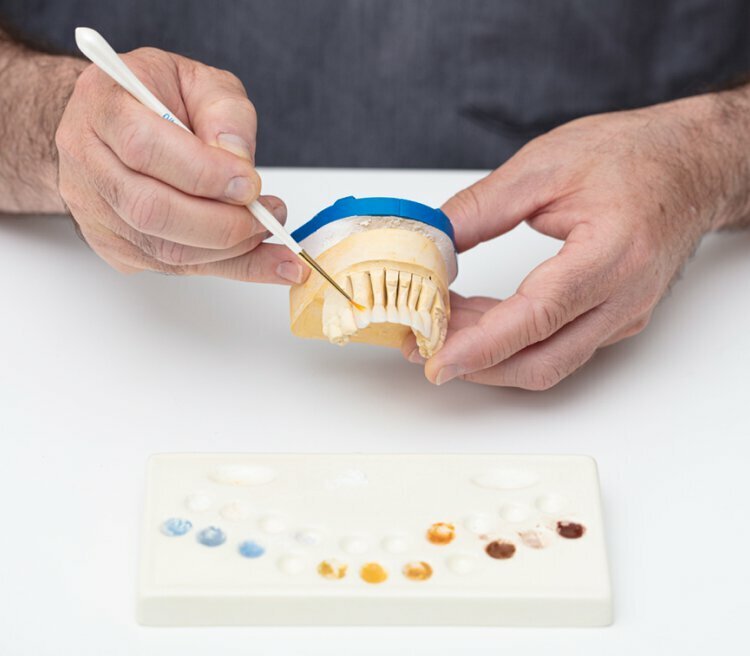
The porcelain used is high-grade and hand-crafted by master ceramists. When you pay for this procedure, you are paying for the artistry and the longevity of the materials. While insurance typically classifies this as a cosmetic procedure (and therefore may not cover it), many practices, including mine, offer financing options to help make your dream smile accessible.
Data Point: The demand for these procedures is skyrocketing. The global cosmetic dentistry market is projected to grow significantly, driven largely by the popularity of non-invasive procedures. Surveys suggest that over 40% of cosmetic dentistry patients specifically request minimally invasive techniques, highlighting a major shift in patient preference toward preservation.
Maintenance: Caring for Your New Smile
Once you have your prepless veneers, taking care of them is simple, but it requires consistency. Here is the regimen I recommend to all my patients to ensure their smile lasts for decades:
- Brush and Floss Daily: You can still get cavities on the uncovered parts of your teeth, so oral hygiene is non-negotiable.
- Use Non-Abrasive Toothpaste: Some whitening toothpastes contain gritty particles that can scratch the surface of the porcelain over time, making them lose their shine. Stick to gentle gel toothpastes.
- Wear a Night Guard: If you grind your teeth at night (bruxism), I highly recommend a custom night guard. Porcelain is strong, but the force of grinding can chip even natural teeth. Protecting your investment is key.
- Regular Check-ups: Visit me or your local dentist every six months. We need to check the margins of the veneers to ensure they are sealed and healthy.
Common Myths About Prepless Veneers
There is a lot of information on the internet, and not all of it is accurate. Let’s bust a few myths I hear in the office.
Myth 1: They look bulky.
Fact: This only happens if they are placed on the wrong candidate or by an inexperienced dentist. When placed on teeth that are naturally small or set back, they look incredibly natural. It takes an artistic eye to contour them correctly.
Myth 2: They pop off easily.
Fact: The bonding technology we use today is incredibly advanced. When bonded to enamel, the connection is rock-solid. They are just as secure as traditional veneers.
Myth 3: You can’t eat hard foods.
Fact: You can eat apples, corn on the cob, and most foods you love. However, I advise caution with extremely hard things like hard candy or bones—but frankly, I advise that for natural teeth too!
Choosing the Right Cosmetic Dentist
The success of prepless veneers relies heavily on the skill of the dentist. This is not a “one size fits all” product. It requires a deep understanding of facial aesthetics, lip dynamics, and occlusion (how your teeth bite together).
When you are looking for a provider, ask to see “Before and After” photos of their actual patients. Look specifically for cases that used prepless techniques. You want to see that the gums look healthy and pink, the teeth look distinct (not fused together), and the overall appearance suits the person’s face.
For more detailed information on how dental veneers work and the science behind them, you can read this article from WebMD on Dental Veneers. It provides a great neutral overview of the materials and medical context.
Your New Smile Awaits
I genuinely believe that a beautiful smile can change a person’s life. It changes how you greet the world and, more importantly, how you view yourself. Prepless veneers offer a unique opportunity to achieve that transformation without the fear and invasiveness of traditional dentistry.
If you have been holding back because you didn’t want your teeth filed down, this might be the sign you have been waiting for. By preserving your natural structure while enhancing your aesthetics, we get the best of both worlds: health and beauty.
I invite you to come in for a consultation. Let’s look at your unique situation and see if prepless veneers are the key to unlocking your most confident smile yet. Together, we can design a look that is uniquely, beautifully you.