When you look in the mirror, your smile is often the first thing you see. It is the feature that introduces you to the world before you even say a word. As a dentist who has dedicated my career to the art and science of smiles, I understand that choosing to upgrade your teeth with veneers is a big decision. It is an investment in your confidence and your future.
However, I also know that the dental world can be confusing. You might see signs for “Cosmetic Dentistry” on every corner. You might wonder why some procedures cost more than others, or why titles seem to vary so much. One of the most common questions I get asked at my practice is about the difference between a general dentist and a specialist like myself.
Today, I want to clear up that confusion. I want to explain why, when it comes to permanent changes to your appearance like veneers, expertise isn’t just a luxury—it is a necessity.
Understanding the Basics: The General Dentist
Think of a general dentist as your primary care physician. They are vital for your overall health. They are the first line of defense against cavities, gum disease, and general maintenance. They do a fantastic job of keeping your teeth clean, filling cavities, and handling routine check-ups.
General dentists complete dental school and earn a degree (DDS or DMD). They are licensed to perform a wide variety of procedures, including cosmetic ones. Many general dentists are talented and take continuing education courses to learn about veneers. However, their training is broad because they have to handle everything from root canals to extractions.
What is a Prosthodontist?
This is where my journey took a different path. A prosthodontist is a dental specialist who focuses specifically on the restoration and replacement of teeth. After completing the standard four years of dental school, I went on to complete three additional years of rigorous, specialized training in an American Dental Association (ADA) accredited graduate program.
During these three years, we don’t just learn how to place a veneer; we learn the engineering, physics, and biology behind it. We study jaw movements, bite alignment (occlusion), and the complex properties of ceramic materials. We are trained to be the “architects” of the mouth.
When you choose a prosthodontist, you are choosing someone who has dedicated years of their life specifically to mastering the structural and aesthetic rehabilitation of your smile. We are the experts often called upon to fix cases that didn’t go as planned elsewhere.
Prosthodontist vs Cosmetic Dentist: Clearing the Fog
Here is a secret that many patients don’t know: “Cosmetic Dentist” is not a recognized specialty by the American Dental Association. Any general dentist can technically call themselves a cosmetic dentist. It describes what they do, not necessarily their level of formal specialized education.
When analyzing the difference of a Prosthodontist vs Cosmetic Dentist, the distinction lies in the depth of training. While a general dentist might take a weekend course on veneers, a prosthodontist has spent years in a residency program perfecting these exact skills under the supervision of masters. This distinction is crucial when you are considering a procedure that alters your natural teeth.
Why Expertise Matters Specifically for Veneers
Veneers are thin shells of porcelain that cover the front surface of your teeth. They look simple, but placing them correctly is one of the most difficult tasks in dentistry. Here is why my specialized training makes a massive difference in the outcome.
1. The Importance of the Bite (Occlusion)
You can have the most beautiful veneers in the world, but if they don’t fit your bite perfectly, they will fail. Your jaw exerts a tremendous amount of force when you chew. If a veneer is placed without a deep understanding of how your jaw moves, it can chip, crack, or pop off entirely.
In my practice, I don’t just look at how the teeth look; I look at how they function. I analyze your bite dynamics to ensure that your new smile is built to withstand the pressures of daily life. This engineering approach ensures longevity.
2. Minimally Invasive Techniques
One of my core philosophies is preserving your natural tooth structure. There is a misconception that getting veneers means grinding your teeth down to little nubs. In the hands of an expert, this is rarely necessary.
Because of my advanced training in material sciences and bonding protocols, I can use ultra-thin veneers that require very little, if any, removal of your natural enamel. This keeps your teeth stronger and healthier in the long run. An inexperienced provider might remove more tooth structure than necessary simply because it makes the placement easier for them, but that compromises the long-term health of your tooth.
3. The Art of Color and Shape
Teeth are not just white chiclets. They have translucency, texture, and gradients of color. A natural-looking smile interacts with light in a very specific way.
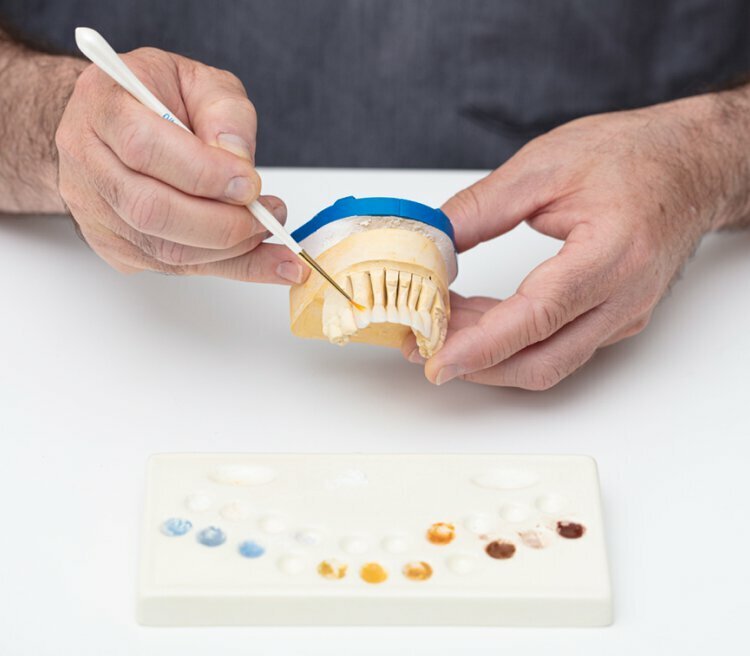
As a prosthodontist, I have been trained to view the smile as part of the whole face. I consider your skin tone, the shape of your lips, and even your personality when designing your veneers. I work with master ceramists who hand-craft each veneer to match these specifications. The goal is for people to tell you that you look amazing, not to ask you who did your teeth.
The Statistics Speak for Themselves
It is easy to say that expertise matters, but the data backs it up. When we look at the longevity of dental restorations, the skill of the provider is a major variable.
Data Point 1: According to clinical research, porcelain veneers have a high survival rate, often exceeding 90% over 10 years. However, the leading cause of failure is not the material itself, but technical errors such as poor bonding or occlusal (bite) overload. This highlights that the success of your veneers is directly tied to the technical precision of the dentist placing them.
When you choose a specialist, you are significantly reducing the risk of these technical errors. You are investing in a result that is statistically more likely to last significantly longer.
Addressing Complex Cases
Sometimes, a patient comes to me with more than just a desire for a brighter smile. They may have missing teeth, gum recession, or severe wear from grinding. These are complex issues that require a comprehensive plan.
A general dentist might try to fix these issues one by one, patch-work style. As a prosthodontist, I am trained to manage the entire scope of the problem. I can combine veneers with crowns, implants, or bridges to restore full function and aesthetics. I see the big picture.
Data Point 2: The complexity of dental cases is increasing as people keep their natural teeth longer. Reports indicate that a significant portion of a prosthodontist’s work involves “retreatment”—which means fixing work that was previously done but failed or didn’t meet the patient’s aesthetic expectations. Starting with a specialist can save you the emotional and financial cost of having to do the work twice.
The Technology Advantage
Because my practice is focused on high-end restorative and aesthetic work, I invest heavily in the latest technology. From digital scanners that replace gooey impressions to digital smile design software that lets you see your future smile before we touch a tooth, these tools allow for a level of precision that traditional methods can’t match.
This technology, combined with specialized training, allows for a workflow that is predictable. You shouldn’t have to “hope” your veneers look good. You should know they will.
Your Smile is an Investment
I understand that cost is always a factor. Generally, seeing a specialist like a prosthodontist may come with a higher fee than a general dentist. However, I encourage you to think about value rather than just cost.
If you get veneers that chip after two years, or that stain at the margins, or that give you a lisp because they are too thick, you will likely end up paying to have them replaced. That second procedure will cost money, time, and more of your natural tooth structure.
By choosing an expert from the start, you are paying for peace of mind. You are paying for a set of veneers that are custom-engineered to last 15, 20, or even more years with proper care.
For more information on the specific training and qualifications of prosthodontists, I recommend reading this article from the American College of Prosthodontists. It details exactly why our training sets us apart in the medical field.
My Promise to You
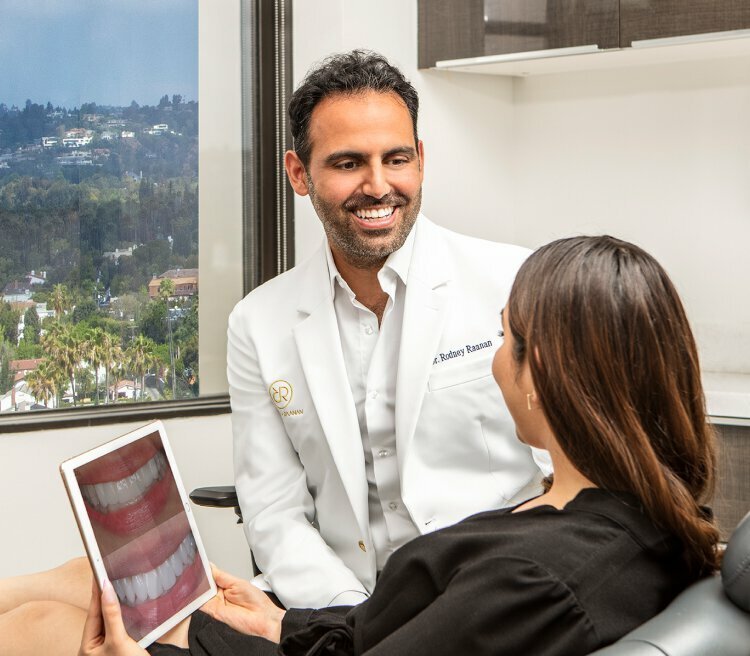
In my office, every patient is treated like family. I take the time to listen to what you want. I don’t believe in a “Hollywood White” template that gets stamped on everyone. I believe in a bespoke smile that enhances your unique beauty.
When you sit in my chair, you aren’t just getting a dentist; you are getting a partner in your health and aesthetics. I use my years of advanced training to ensure that your journey to a new smile is smooth, comfortable, and ultimately life-changing.
Taking the Next Step
Choosing the right provider for your veneers is the most critical step in your smile journey. While general dentists play a crucial role in oral health, the complex nature of aesthetic restoration requires a higher level of mastery. The distinction between a general dentist and a prosthodontist is not just a title; it is years of dedicated study, a deep understanding of facial mechanics, and an artistic eye refined by experience.
If you are considering veneers, I invite you to come in for a consultation. Let’s discuss your vision. Let me show you what is possible when science and art come together in perfect harmony. Your smile deserves nothing less than the best, and I am here to help you achieve it.