When I meet with patients at my practice, we often talk about the transformative power of a smile. A great set of veneers can completely change not just how you look, but how you feel about yourself. However, even the highest quality dental work doesn’t last forever. Just like a luxury car or a beautiful home, your veneers require maintenance and, eventually, updates.
I often see patients who had their veneers placed ten, fifteen, or even twenty years ago. They come to me wondering why their smile doesn’t sparkle quite the way it used to. The truth is, materials degrade, our mouths change, and dental technology advances. If you have been looking in the mirror and feeling less than thrilled with your reflection, you might be a candidate for replacing old veneers.
In this guide, I want to walk you through everything you need to know about refreshing your smile. We will look at the clear signs that your veneers have run their course and discuss the exciting improvements in modern cosmetic dentistry that make today the perfect time for an upgrade.
Understanding the Lifespan of Your Veneers
Before we dive into the specific warning signs, it is important to manage expectations regarding longevity. When I place veneers, I design them to be durable and long-lasting. However, “permanent” in dentistry usually means they will last for many years, not necessarily a lifetime.
Here is an important data point to consider: According to long-term clinical studies, porcelain veneers have an impressive survival rate of approximately 91% over 10 years and about 83% over 20 years. This is an incredible success rate, but it also tells us that as we approach that 15 to 20-year mark, the likelihood of needing a replacement increases significantly.
Factors that influence this lifespan include your bite, your oral hygiene habits, whether you grind your teeth at night, and the original material used. If you had your procedure done in the early 2000s, the porcelain materials available then were quite different from the high-tech ceramics I use today.
1. You See Visible Chips, Cracks, or Wear
The most obvious sign that we need to talk about replacing old veneers is physical damage. Porcelain is incredibly strong—actually stronger than natural tooth enamel in many ways—but it is not indestructible. Over time, the daily wear and tear of chewing, biting, and speaking takes a toll.
You might notice small chips on the edges of your teeth or vertical craze lines running down the center of a veneer. Sometimes, patients tell me their veneers feel rough to the tongue, which indicates the smooth glaze has worn off. This roughness not only feels uncomfortable but can also attract plaque and stains more easily.
If you grind your teeth (a condition called bruxism), you are at a higher risk for fracturing your veneers. While we can sometimes smooth out a very tiny chip, significant cracks compromise the structural integrity of the restoration. Once a veneer is cracked, it cannot be fixed like a natural tooth; the entire unit must be replaced to restore the strength and look of your smile.
2. The Colors Have Changed or You See Stains
One of the biggest benefits of porcelain veneers is that they are highly resistant to staining. Your morning coffee or evening glass of red wine typically won’t discolor high-quality porcelain. However, this doesn’t mean your smile is immune to color changes over time.
There are three main reasons your smile might look discolored, signaling a need for an update:
- Bonding Discoloration: While the porcelain itself stays white, the resin cement used to bond the veneer to your tooth can darken over time. This creates a yellowish or greyish tint that seems to come from underneath the tooth.
- Gum Recession: As we age, our gums naturally recede slightly. If your veneers were placed years ago, this recession can expose the root of your natural tooth. Natural roots are darker and yellower than the white veneer, creating an unsightly two-toned look at the gum line.
- Adjacent Tooth Aging: If you have a mix of veneers and natural teeth, your natural teeth will continue to yellow with age while the veneers stay white. This creates a mismatch that makes the dental work look obvious and unnatural.
Replacing old veneers allows us to color-match everything perfectly again, ensuring your smile looks uniform, bright, and healthy.
3. Your Gums Are Red, Swollen, or Receding
Healthy gums are the frame for a beautiful picture. No matter how white your teeth are, if your gums are inflamed, the result won’t look good. Sometimes, older veneers can contribute to gum issues, especially if they weren’t fitted perfectly in the first place.
If there is a slight gap or “ledge” where the veneer meets the tooth, bacteria can get trapped there. This leads to chronic inflammation, causing the gums to look puffy, bleed easily, or pull away from the tooth. This is not just a cosmetic issue; it is a health issue.
When I replace these older restorations, I focus heavily on the “emergence profile.” This is the technical term for how the tooth comes out of the gum. Modern techniques allow us to create a seamless transition from tooth to veneer that is easy to clean and allows your gum tissue to heal and settle beautifully. If your gums are constantly irritated around your veneers, it is a definitive sign that the fit is no longer right for you.
4. You Feel Tooth Sensitivity or Pain
Pain is your body’s way of telling you something is wrong. If you start to feel a sharp zing when you drink ice water or sip hot tea, do not ignore it. While veneers cover the front of the tooth, the tooth structure underneath is still alive and vulnerable.
If an old veneer becomes loose—even if it hasn’t fallen off yet—saliva and bacteria can leak underneath. This is called “micro-leakage.” This can lead to decay developing on the natural tooth behind the veneer. Because the veneer covers the front, you might not see a cavity, but you will certainly feel it eventually.
Here is a second data point to keep in mind: Research in the field of prosthodontics suggests that roughly 50% of veneer failures are eventually caused by fractures or debonding (coming loose), which opens the door for decay. Early detection is key here. By replacing old veneers that have lost their seal, we can treat the underlying tooth before the decay reaches the nerve, saving you from needing a root canal.
For more information on maintaining gum health and the integrity of cosmetic restorations, you can read this article from WebMD regarding dental veneers.
5. Your Smile Just Looks “Dated”
Cosmetic dentistry is an art form, and like all art, styles and techniques evolve. In the late 1990s and early 2000s, the trend was often toward what we call “Hollywood White.” These veneers were often opaque, very squared-off, and monochromatic. While they were definitely white, they often looked like “Chiclets”—too perfect, too bulky, and obviously fake.
Today, the philosophy I follow is “undetectable dentistry.” We want your smile to look stunning, but we also want it to look like you were born with it. Modern porcelain materials are translucent, meaning they reflect light exactly like natural enamel does. We incorporate subtle texture and color gradients that make the teeth look alive.
If you feel self-conscious because your teeth look thick, bulky, or fake, that is a perfectly valid reason for replacing old veneers. You deserve a smile that looks sophisticated and natural. Updating your veneers can essentially act as a facelift for your mouth, giving you a more youthful and refined appearance.
The Replacement Process: What to Expect
Many patients hesitate to update their smile because they are worried about the process. I want to reassure you that replacing old veneers is a routine procedure that we handle with the utmost care and comfort.
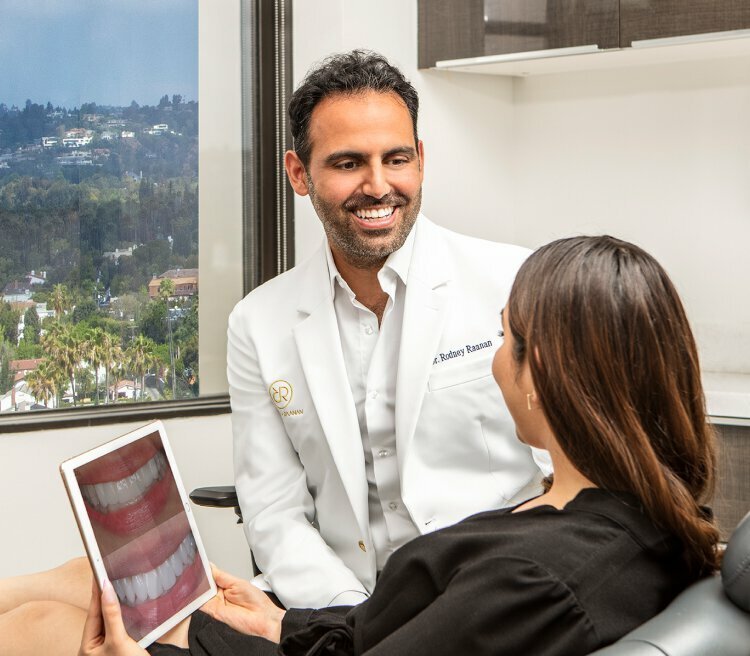
The process typically begins with a comprehensive consultation. We take digital scans and photos to analyze what you don’t like about your current smile. We discuss the shape, shade, and length you desire.
Removing the old veneers is done gently. I carefully polish away the old porcelain to reveal the underlying tooth structure. In many cases, we can simply clean up the tooth and take a new impression. If there is underlying decay, I will remove it and build the tooth back up to ensure a strong foundation for the new restoration.
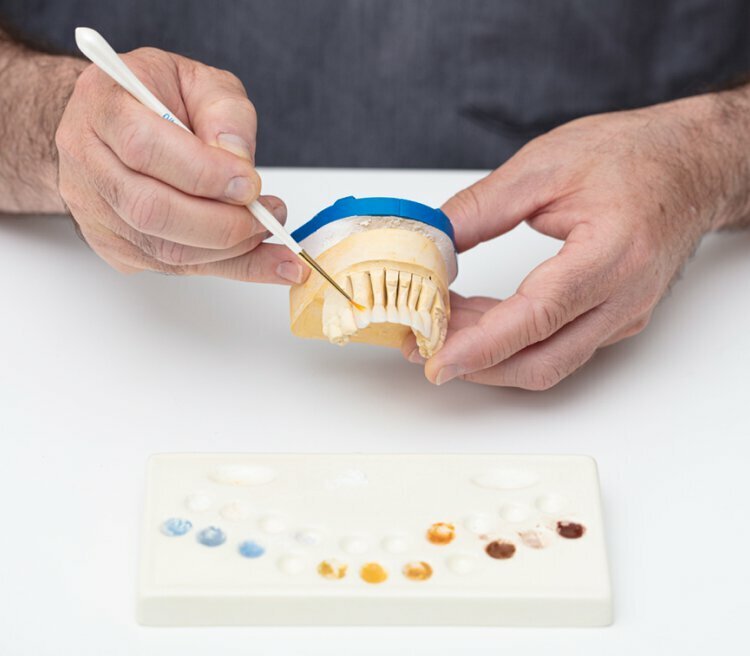
Once the old veneers are off and the teeth are prepped, you will wear temporary veneers. This is a “test drive” phase. You get to wear the new shape and see how it feels. We can make adjustments to these temporaries until you are 100% happy with the look. Once we have the perfect blueprint, our master ceramists create your final porcelain veneers.
Modern Materials: Why New Veneers Are Better
When we talk about replacing old veneers, we aren’t just swapping one piece of porcelain for an identical one. We are upgrading you to better technology. The ceramics we use today, such as lithium disilicate or feldspathic porcelain, offer superior strength compared to older materials.
Furthermore, digital dentistry allows for a fit that is incredibly precise. The gap between the veneer and your tooth is microscopic, which significantly reduces the risk of future decay and gum irritation. By choosing to upgrade now, you are investing in materials that are designed to look better and last longer than what was available two decades ago.
Protecting Your Investment
Once we have successfully completed the process of replacing old veneers, I want to make sure your new smile lasts as long as possible. The maintenance for your new veneers is straightforward, but discipline is required.
- Night Guards: If you have any history of grinding, a custom night guard is non-negotiable. It protects the porcelain from fracturing while you sleep.
- Soft Bristles: Always use a soft-bristled toothbrush. Hard bristles can create micro-scratches on the surface of the porcelain over time, causing them to lose their luster.
- Regular Check-ups: I need to see you regularly to check the margins of the veneers and ensure your gums remain healthy. Professional cleanings prevent gum recession, which is the enemy of cosmetic work.
- Watch What You Bite: Do not use your teeth as tools to open packages, and be careful biting directly into very hard foods like apples or crusty bread.
Taking the Next Step for Your Smile
Your smile is often the first thing people notice about you. It conveys confidence, warmth, and health. If you are hiding your smile because your old veneers are chipped, stained, or simply outdated, you are not living your life to the fullest.
Replacing old veneers is more than just a dental procedure; it is a reinvestment in your self-esteem. Whether your current veneers are failing due to age or you are simply ready for a more modern, natural aesthetic, the technology exists today to give you the smile of your dreams.
If you recognize any of the five signs we discussed—damage, discoloration, gum issues, sensitivity, or outdated aesthetics—it is time to have a conversation. I invite you to visit my office so we can assess the state of your current restorations. Together, we can design a plan to refresh your look, improve your oral health, and give you a smile that you are proud to show off for years to come.